
Home Blog Page 15

DON’T BE AFRAID OF THE DARK – RUNNING 24/7 LIGHTS OUT MANUFACTURING

By LUKE LOFLAND, Regional Sales Manager Okuma, America

Once proven efficient and effective, industry trends and technologies that start with larger manufacturing companies often find their way into the smaller job shops. Machine tool automation systems are doing just that – and at an adoption rate faster than ever.

However, when looking to evaluate automation systems, machine shop owners and management often envision a complicated puzzle. On the contrary, using larger manufacturers as influential case studies, there are several key takeaways job shops can mimic to successfully move to operating with automation systems – even to the extent of lights out manufacturing.

Let’s walk through a high-level look at making a case for automation systems within your machine shop.
At What Point Does My Shop Begin to Investigate Automation as a Viable Option?

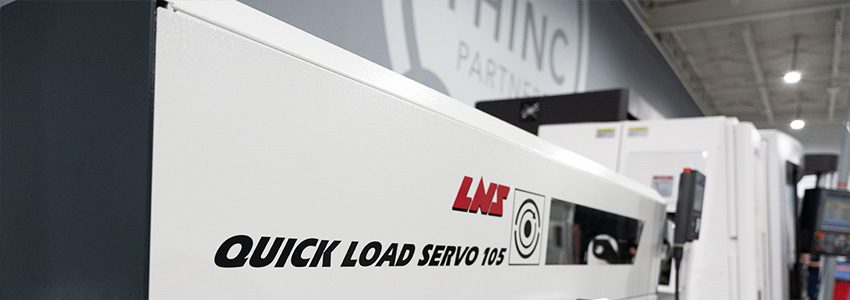
Machine shop management may view automation as only being suitable for very high-volume manufacturing and not for the variable environment of high-mix, low-volume jobs that they find themselves making daily. However, with advancements in technologies, automation incorporates a very flexible realm of products that can aid in increasing productivity on any shop floor.

So, at what point should your shop begin to evaluate automation as a viable solution to solving problems or enhancing processes on the floor? Here are a few scenarios that may tip the scale toward starting a conversation with your machine tool provider about an automation-adoption strategy:

  • Evaluate the tasks currently being performed by humans within your production processes. Are these repetitive, dangerous, or costly to perform? If so, there may be an automation system that can aid and even improve the task.
  • Assess the automation options available for the machines currently in use by your facility. You may be surprised to learn that some form of automation, from simplistic bar feeders to automatic pallet changers to more sophisticated industrial robots, is compatible with most machine tool categories.
  • Are you currently running machine monitoring software that is showing inefficiencies within the manufacturing process that you feel an automation system could potentially bridge the gap and improve?
  • If the current state of the labour shortage is affecting your day-to-day productivity, automation systems and products can be used to level-set your shop’s activities.
The Human Element of Machine Shop Automation

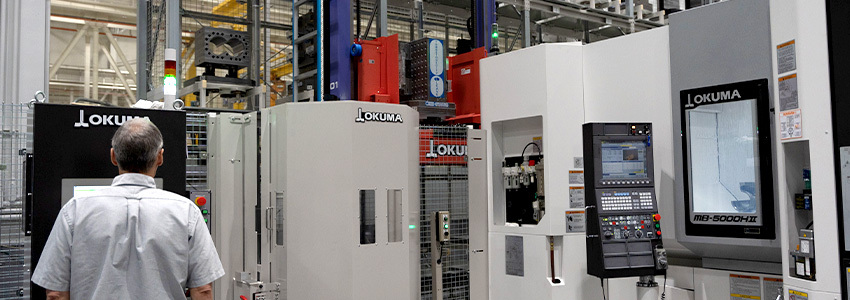
Automation is somewhat of a hot topic within the industry, as it often bears the sentiment of replacing the human element within a job setting. However, automation is never a true replacement or alternative for highly skilled people and, if used correctly, is actually a viable way to amplify and support these individuals at machine shops of any size.

Quite simply, highly knowledgeable individuals cannot be replaced due to the value they bring to the machining process. Unfortunately, people with these characteristics often participate in repetitive, low-value tasks instead of the higher-value tasks that drive business – and profitability – forward. Machine shops should look to see how automation systems can overtake those monotonous, low-value processes and, in turn, place skilled individuals in activities where their minds are being fully challenged.

It’s important to use these employees to not only set up and manage higher-value tasks, machine monitoring software, and even the automation systems themselves but also to harness their skill set to improve processes and make your shop floor a more productive and efficient environment in which all employees thrive.

Increasing Your Unattended Machining and Making the Shift to Lights Out Machining

By directing the energy of your skilled machinists to the more complicated, higher-touch tasks and utilizing automation systems for the less sophisticated processes, your shop will see an uptick in productivity; the use of unmanned machining will also more than likely start to grow. And as the interactions between humans and automation become more of a comfort zone, this may present a strong business case for lights out manufacturing.

WHAT IS LIGHTS OUT MANUFACTURING?

Known by multiple naming conventions such as 24/7 manufacturing or dark factory, this philosophy is the utilization of untapped resources (machine tools) during typical downtimes of operations (night-time) that are fully automated and require little to no human presence on-site to operate. Oftentimes, machine shops move to lights out manufacturing once the automation system(s) in place proves reliable during the daytime hours while humans are present. That trust is then transferred to the night-time unmanned hours.
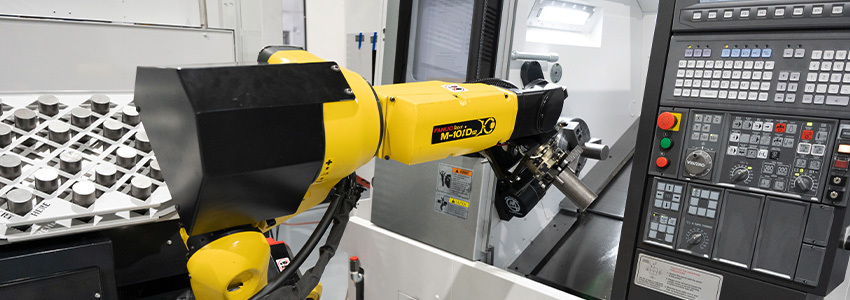
More machine – and job shops are turning to lights out manufacturing philosophy due to the understanding that a continuous-improvement model is required to stay competitive. When evaluating lights out manufacturing, you may learn that the most profitable span of time can be when no one is physically located at the shop, yet your machine tools continue to run.

How Automation Benefits Machine Shops of Any Size

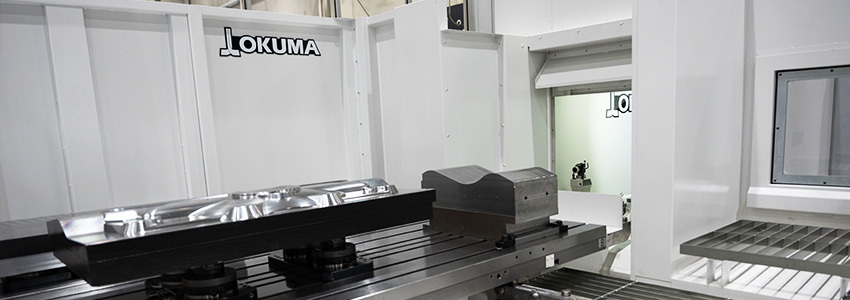
The expected cost savings and increased profit margins are pushing shops to adopt automation. What are some of the tangible and financial benefits of adopting a wide range of automation from entry-level to fully running lights out?

  • Efficiency improvements: Tackle more work and increase machining hours without adding to your overhead expenses or cost of labour.
  • Increase intake of job opportunities: Take on additional work to be manufactured during traditional non-operational work hours.
  • Reduce lead times: Manufacturers can deliver quicker due to the extra hours of fully automated manufacturing.
  • Scrap reduction: Removing the human element in the process will provide greater consistency and reduce the introduction of errors.
  • Energy conservation: Utilities such as lighting or HVAC requirements can be minimized or eliminated.
  • Reduced accidents: Automation system(s) reduce the potential for injury and increase workplace safety.
Who Can Help My Shop Move Forward With Purchasing and Implementing Automation?

As mentioned, automation encompasses a wide array of product solution sets that range in their compatibility with different machine tools by category and even OEM. While price points and benefits of automation are very attractive, your shop will more than likely look to the advice of a local distributor on the correct automation system that is perfect for your application, as well as provide aid in the integration process.

At Okuma, we believe in being there for your shop during the entire process. Even before you begin the automation conversation with our team of experts, we have been working behind the scenes for decades with members of Partners in THINC, as well as other third-party suppliers, to ensure full harmony with our high-quality machine tools. So, when you are ready to execute an automation strategy, our team of trained automation professionals will be available to walk you through the process.

Visit Integral Machine Tools

GREEN STEEL REVOLUTION

Wilfried Liegard in front of a Bystronic bending system where green steel is tested.

Steel production is responsible for eight percent of CO2 emissions worldwide. Are there environmentally friendly manufacturing processes? Two experts provide insights!

Our world is built on steel. From buildings and power lines to the automotive industry and ship-building to medical, office and computer technology, there is no area of our lives that does not contain steel in some form. “Steel has thousands of applications,” says Wilfried Liegard, a member of the research team at Bystronic. While steel offers many different properties, it can be as rigid as it is flexible, absorbent or resilient, easy to shape or dimensionally stable. Added to this is the fact that iron ore is almost inexhaustibly available on our planet. “Our world is built on steel, and the hunger for steel is growing,” he says.

In the last 50 years, steel production has increased about six-fold. In 2022, over 1.8 billion tons of steel were produced, according to the World Steel Association, two thirds of it in China. Steel production, therefore, has a decisive influence on achieving climate targets. Worldwide, steel production is responsible for around eight percent of CO2 emissions, while in Europe the share is four percent. In the classic manufacturing process, 1.8 metric tons of CO2 are produced concurrently with each metric ton of steel, or as Christian Leinenbach, metals expert at the Empa Research Institute and lecturer at EPFL, pointedly puts it: “It’s actually CO2 production, and iron is the useful by-product.”

As in other areas of life, pressure is growing in the steel industry to become climate neutral, but how? The magic word is fossil-free, or “green” steel – steel whose production releases as little CO2 as possible into the air. Christian Leinenbach cites several ways to achieve this. Oxygen can be removed from the ore using hydrogen instead of carbon. “The reaction with hydrogen produces not pig iron but porous granulate,” he says. This can then be processed into steel in the electric arc furnace using electricity – the energy requirement to do so is lower than that of the blast furnace. The important thing is that the electricity for the arc furnace and the production of the hydrogen must come from renewable energy sources.

The entire piece was fabricated using a Bystronic laser to cut from a green steel material.

As an additional means on the road to CO2-neutral steel production, Leinenbach mentions carbon capture technologies, such as those being built by the Swiss start-up Climeworks. Produced CO2 is captured here and stored in the soil, for example.

Wilfried Liegard goes even further: “In the end, the whole chain should be green, including transport,” he says. If the iron ore is mined in India, processed into pig iron in the Middle East and refined into steel in France, the transport of the material puts an additional burden on the climate. The mines would also have to become greener, for example by using electric machines to mine the ore. Last but not least, these machines would themselves have to be made of green steel.

Milestone – laser cut and bent parts made with green steel on Bystronic Systems.

For the research team at Bystronic, the material properties are also of particular interest. Can green steel be cut and bent in the same way as conventional steel? “Green steel is chemically and physically practically the same as fossil steel,” says Liegard. Cutting, he says, is not a problem. Bending, on the other hand, raised questions: does the green steel contain larger residues of hydrogen, for example? “We compare curves and try to conclude how the steel behaves at different pressures,” he says. Nor, he adds, can one simply speak of steel as a material. “There are about 3000 different steels,” adds Empa researcher Leinenbach. “It is a group of materials,” he says.


Substantial investment required

Nevertheless, green steel is not yet being produced in large quantities. The Swedish company SSAB is currently leading the way – but with a total production capacity of just under nine million metric tons, it is a small fish in the pond. In 2020, the steel giant China Baowu Group produced over 115 million metric tons, while Arcelor Mittal managed 78.5 million metric tons.

“The biggest challenge is scalability of production,” Liegard says. The change would require high investments, he calculates, at around one billion U.S. dollars per steel company. “We therefore expect steel to become about 30 percent more expensive” he says. Leinenbach confirms this figure, while calling it a balancing act. The auto industry, for example, would either have to let the more expensive steel flow into its pricing or use less steel. Electric cars would have a certain advantage, as they do not contain an engine block. Last but not least, recycling needs to be considered, he says. Every ton of steel already contains about thirty percent recycled steel, he says, and this figure could be improved. “We have to look at the material as a recyclable material,” Leinenbach concludes.

For more information please see www.bystronic.co.za or contact Bystronic on 010 410 0200.

Visit Bystronic

CUTTING PROCESSING TIME AND COSTS WITH TS-THREAD

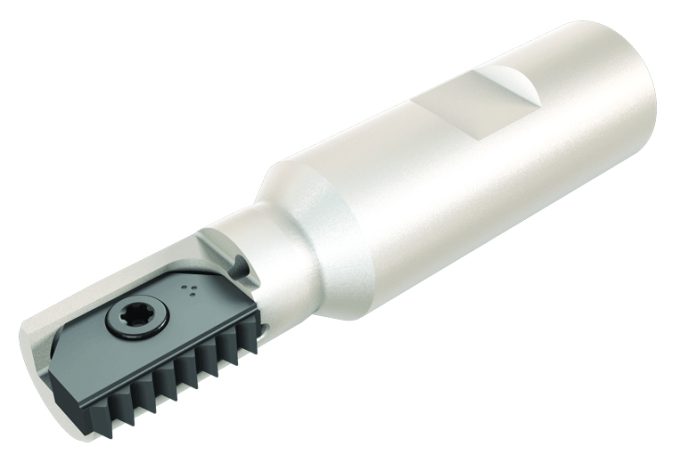
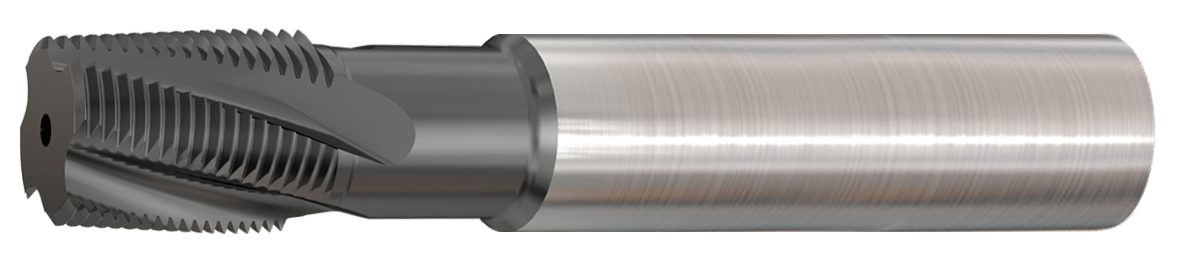
End mill

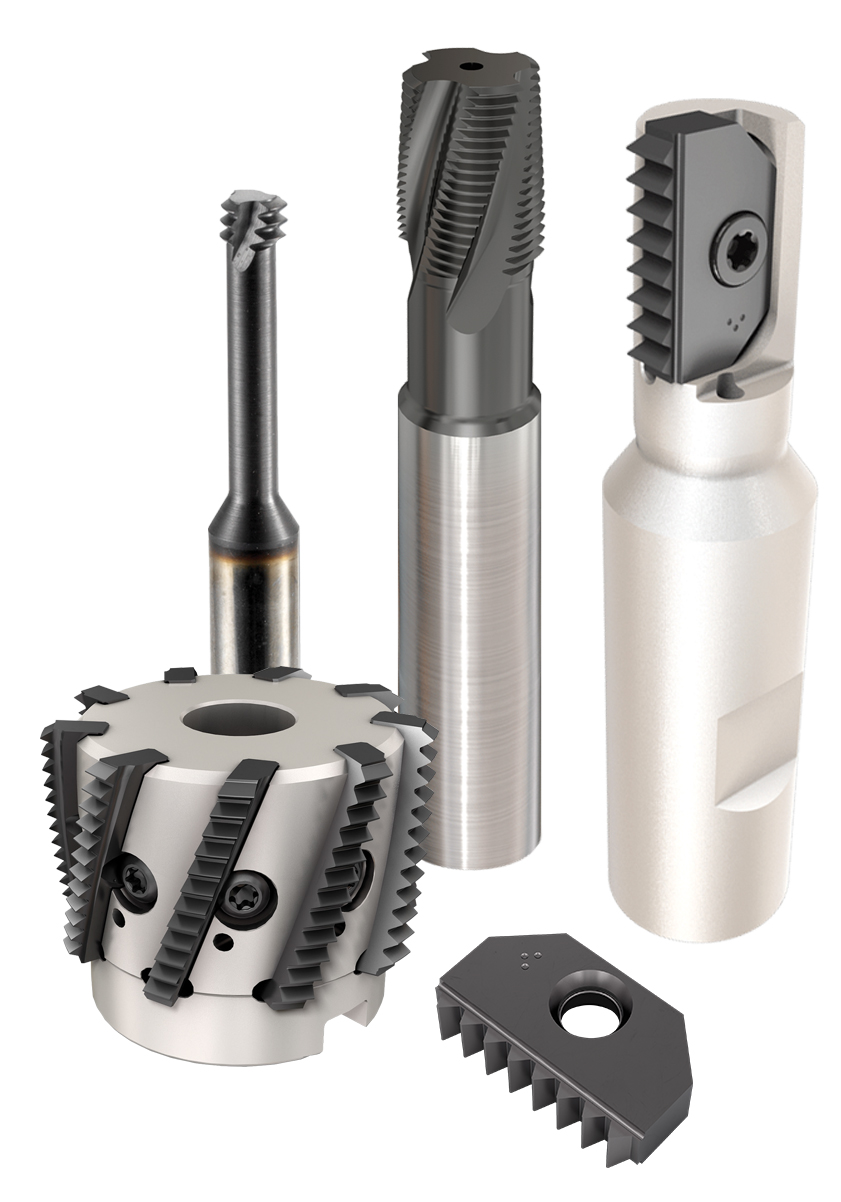
To machine threads quickly and precisely, TaeguTec offers the TS-THREAD line, which enhances the efficiency of the thread-making process by cutting processing time and costs while also minimizing the likelihood of manufacturing defective products.

TaeguTec offers a large selection of thread milling cutters that meet the standards for both internal and external threading.

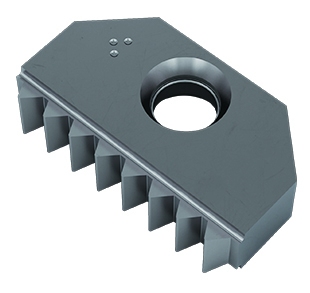
For the manufacturing of internal and external, as well as right- and left-hand full profile threads, TaeguTec offers the TTMT line as an indexable insert type, which offers excellent chip control with high precision and high surface quality.

Insert

For thread milling applications that use indexable inserts, TaeguTec recommends either the MTE D end mill line or the MTF shell mill tool.


End mill
Shell mill


Since these tools can mount different thread inserts with varying profiles, one tool can be used to produce a variety of thread standards and can produce both right-hand and left-hand threads. Internal coolant that is directed toward the cutting region is present in both lines.

The MTE D end mill type improves overall machining performance due to its high rigidity feature, and the MTF is recommended for large thread diameters with high accuracy and uniformity.

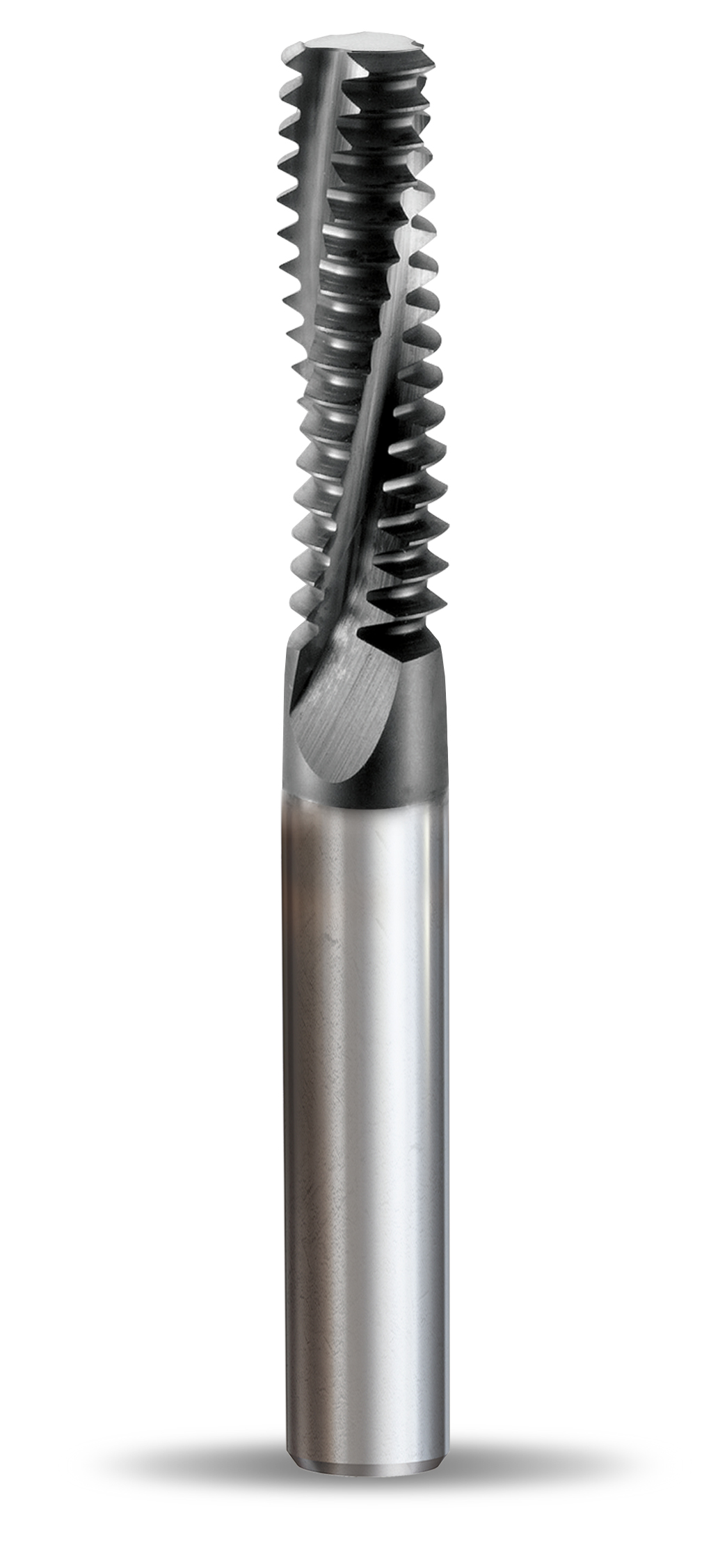
For thread milling operations, TaeguTec provides a complete line of solid carbide end mills that have a diameter ranging from 0.72 mm to 20 mm and are suitable to machine a variety of materials, including cast iron, steel, stainless steel and more. Cutting geometry, helix angle, number of flutes, length, and grades differ between the tools.

Solid carbide thread mills without coolant channels from the MTEC line are typically suitable for internal and external thread milling. With the exception of gummy and sticky materials, this family can be used to produce thread from any sort of material.

Without coolant

To improve tool life in all thread milling applications, the MTECB line is a group of solid carbide thread mills with a coolant hole that are intended for milling internal threads in blind holes but can also frequently be used to produce external threads.

Coolant hole on bottom

For extremely exact profiles on small internal and exterior threads, TaeguTec offers the TS-THREAD MTECS solid carbide thread mills. The cutting zone of these one-of-a-kind thread mills is only three teeth long, has three flutes, and has a released neck between the cutting zone and the shank.

Solid short left-hand cut MTECSH carbide thread mills are used to create small internal threads in hard materials. These thread mills have a released neck between the cutting zone and the shank and a short 3-tooth cutting with 3 flutes.

MTECI partial-profile solid carbide thread mills with coolant holes offer a universal solution for a variety of pitch and thread sizes.

For internal deep thread milling, the TS-THREAD MTECQ family of solid carbide thread mills with coolant holes and smaller neck diameters between the cutting zone and the shank is advised. Thread lengths up to 3.2 x DC can be machined with this tool.­

MTECQ-ISO. Solid carbide internal threading end mills with coolant holes & reduced diameter neck for deep ISO metric threads.

TaeguTec strives to provide threading tools that enhance overall performance, lower costs and increase the efficiency of the threading process.

For more information please contact TaeguTec – Tel: 011 362-1500.

Visit TaeguTec

TOOLS FOR SUSTAINABLE MACHINING

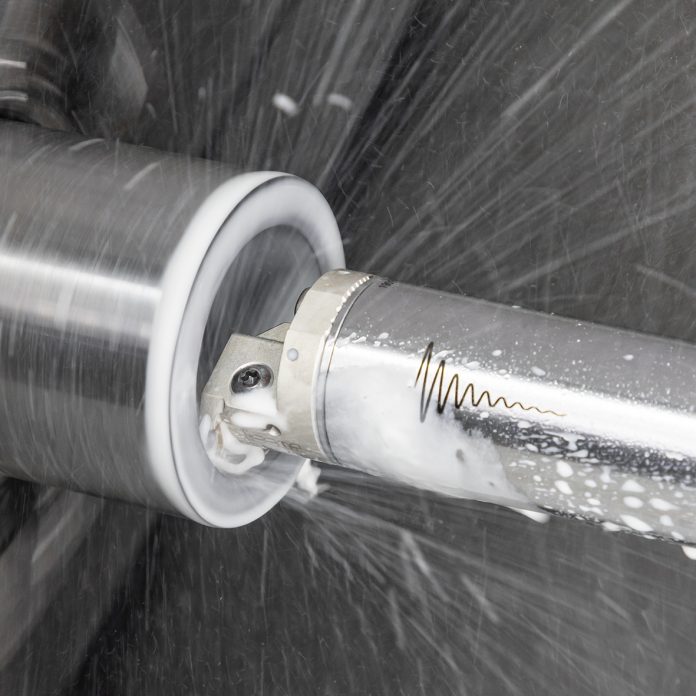
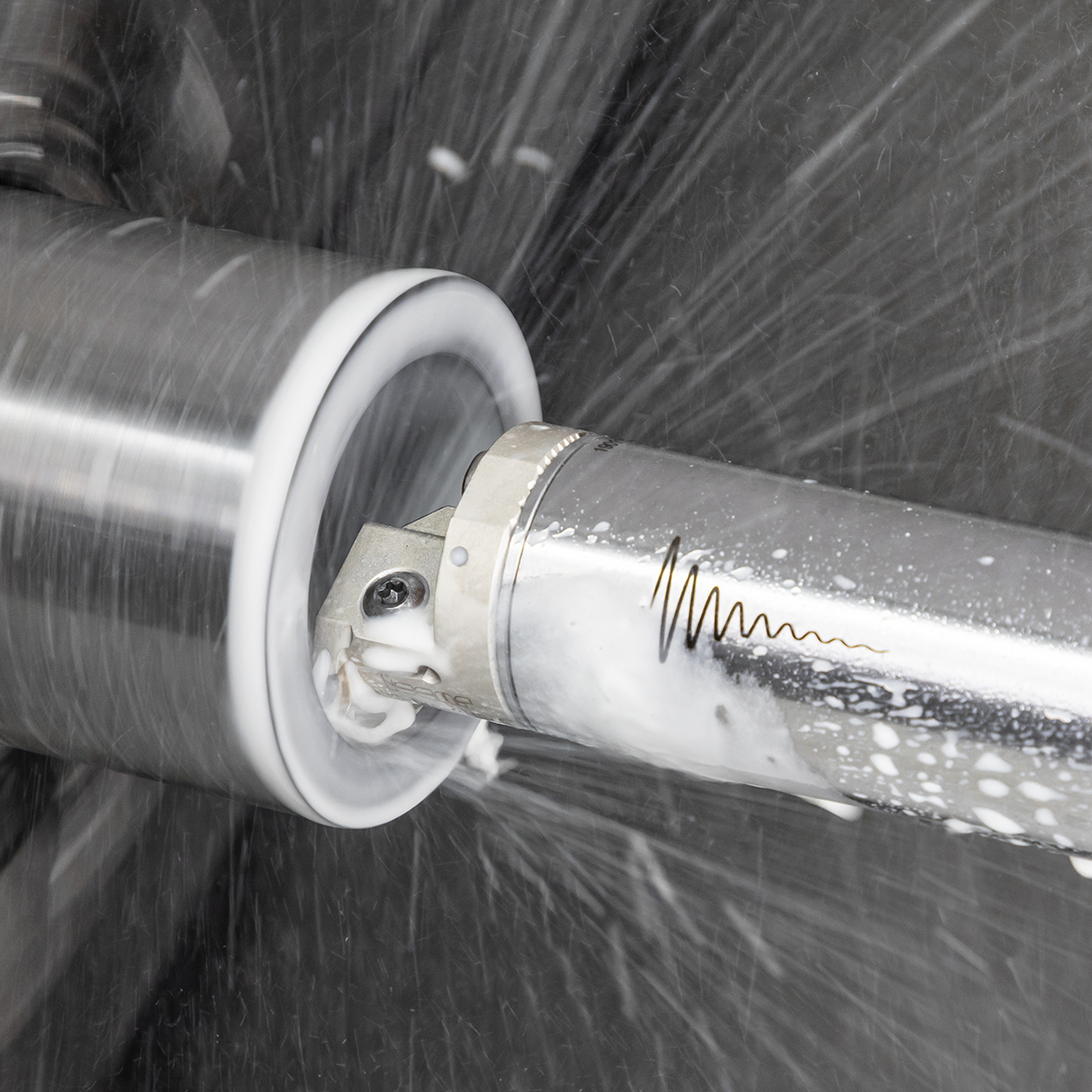
In boring, using anti-vibration bars improves performance and reduces power consumption.

Cutting Tools and Sustainable Manufacturing

The term “sustainability” has become increasingly popular in recent years. It is frequently seen in headlines, featured in forms of news media, scientific research and practical seminars. Is the word sustainability merely a trending word or the question of the hour?

The emphasis on sustainability stems from global growing awareness intended for critical environmental issues and climate change, largely caused by human activity. The focus on sustainability reflects our deep commitment to the principles of securing a better future for the planet and generations to come.

Consequently, sustainability has gained prominence in various fields, ranging from everyday life and business to transportation, urban planning and manufacturing. Manufacturing should unquestionably be sustainable. Today, there is widespread recognition and agreement regarding the correctness of this statement. Manufacturing processes use natural resources, consume energy, create waste and pollute the environment. We can mitigate the negative environmental impact only by adopting sustainable production technologies.

Machining remains a primary method for producing parts of machines and mechanisms. Therefore, the question of how to make machining sustainable is relevant more than ever. A cutting tool contacts the machined workpiece directly and shapes it to its required form, removing the rest of the unnecessary material in the form of metal chips. Can a cutting tool be a key factor for improving sustainability? The answer to the above question is undoubtedly a resounding, yes!

Despite its smaller size in comparison to other elements of a technological system, the machine or workholding fixture called the cutting tool can play a pivotal role in achieving sustainable manufacturing practices. The cutting action involved in material removal during machining is an energy-intensive process. However, the cutting tool is designed to be energy-efficient and, therefore, can significantly reduce energy consumption.
The impact of key tool characteristics cannot be underestimated. Advanced cutting geometries minimize cutting forces while anti-vibration designs mitigate chatter, which causes force oscillation. Progressive coatings enhance lubricity, diminishing friction, and efficient cooling methods effectively reduce heat generation. Collectively, these tool elements substantially reduce the environmental impact of machining operations.

In many instances, a cutting tool can hinder productivity growth, limiting the full realization and capabilities of modern machines. Therefore, tools that guarantee higher productivity play a crucial role in reducing cutting time, machine power consumption and greenhouse gas (GHG) emissions. Reliable, long-lasting cutting tools that enhance tool life reduce the frequency of tool replacements or insert indexing. This diminishes machine downtime associated with tool changes, ultimately improving overall manufacturing efficiency.

In addition, utilizing cutting tools that provide a better surface finish can eliminate the need for finish machining operations, thereby decreasing the machining allowance or material stock to be removed. As a result, a dual effect is achieved reducing both, machining time and material waste.

Hence, the term “sustainable cutting tool” is not merely a passing trend but a vital concept that is progressively embraced and integrated as a fundamental principle of sustainable manufacturing. Ultimately the main parameter to analyze a tool is its performance. However, the component of tool sustainability has become a contemporary factor of paramount importance. Understanding the various aspects of how cutting tools impact sustainability largely shapes the requirements for modern tools and guides their development.

How can a cutting tool improve machining sustainability? A brief review of select ISCAR products helps us to understand this profoundly. The design concept of tools with replaceable cutting parts significantly contributes to the sustainable utilization of cutting material.

ISCAR’s tool systems with exchangeable carbide heads, such as MULTI-MASTER and SUMOCHAM, provide a good example of this concept by allowing the rational use of cemented carbides. In addition to the traditional approach of saving cutting material, the mentioned systems offer further advantages related to sustainability. Both the MULTI-MASTER and SUMOCHAM families feature high repeatability, which allows for the realization of the NO-SETUP-TIME principle. This means that replacing a worn head does not require additional setup operations to adjust tool parameters. As a result, machine downtime is significantly reduced.

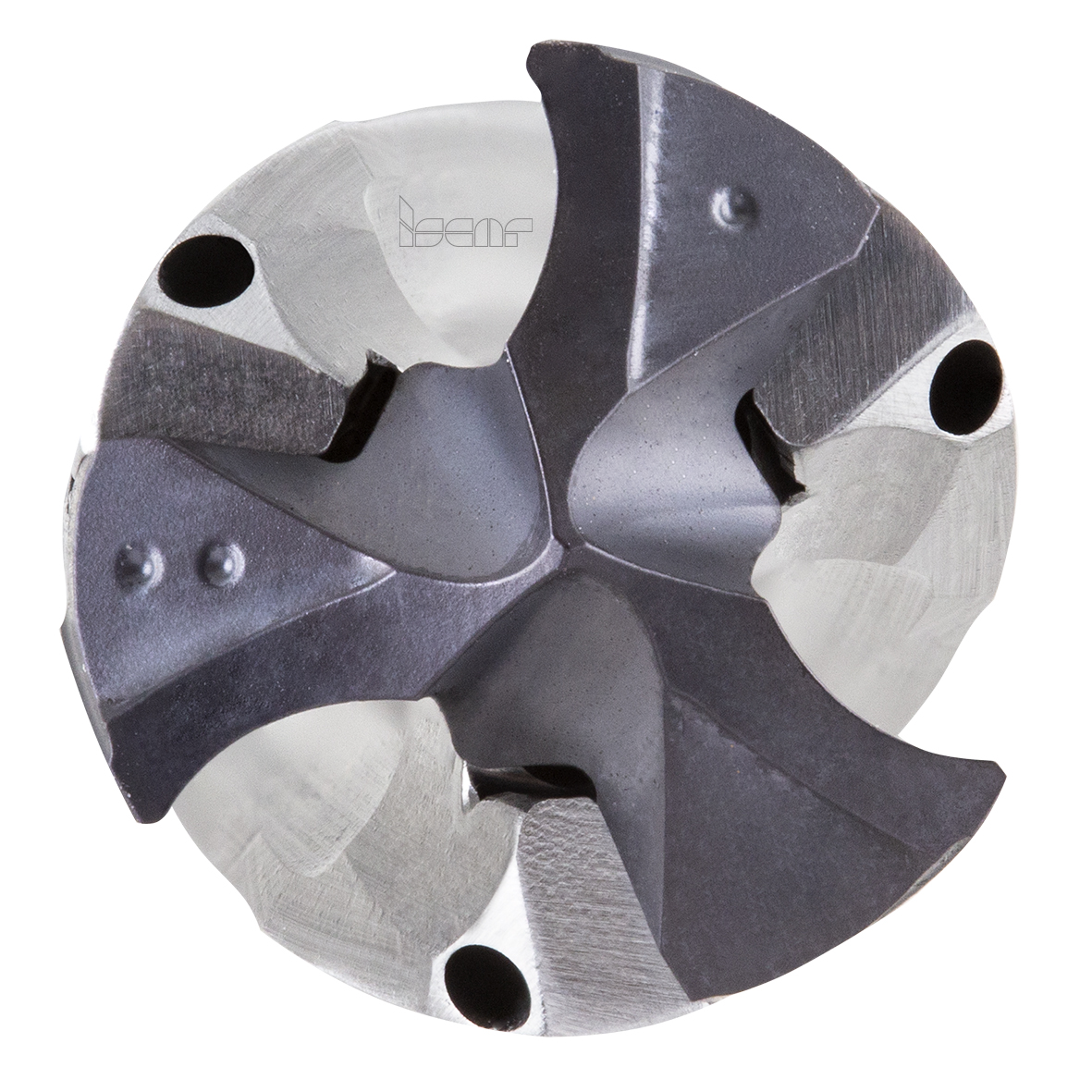
LOGIQ-3-CHAM represents the next step in the development of drilling tools with exchangeable heads, based on the features of its predecessor, the SUMOCHAM drilling line. One notable parameter that sets LOGIQ-3-CHAM apart from the other drilling systems is its three flutes, as opposed to the traditional two.

A LOGIQ-3-CHAM drill with an exchangeable carbide head has 3 flutes.

This change enables increased feed and speed of up to 50%. Alongside improved productivity, this new design also brings sustainability advantages by reducing energy consumption and GHG emissions. Drilling 16mm diameter holes with an 80mm depth in a part made from low alloy steel exemplifies these features well. With a tool life of 500 holes, when compared to a competitor’s drill with a replaceable two-flute head, the use of ISCAR’s LOGIQ-3-CHAM tool results in a 26% decrease in cycle time and a 19% decrease in energy consumption. Consequently, CO2 emission is reduced by 19%.

The anti-vibration design of cutting tools plays an essential role in reducing power consumption, extending tool life and improving the surface finish of the generated surface. ISCAR has developed vibration-damping solutions that use various principles. These include vibration damping through specially designed mechanisms, such as in boring bars, as well as the development of specific chatter-resistant cutting geometries.

In boring, using anti-vibration bars improves performance and reduces power consumption.

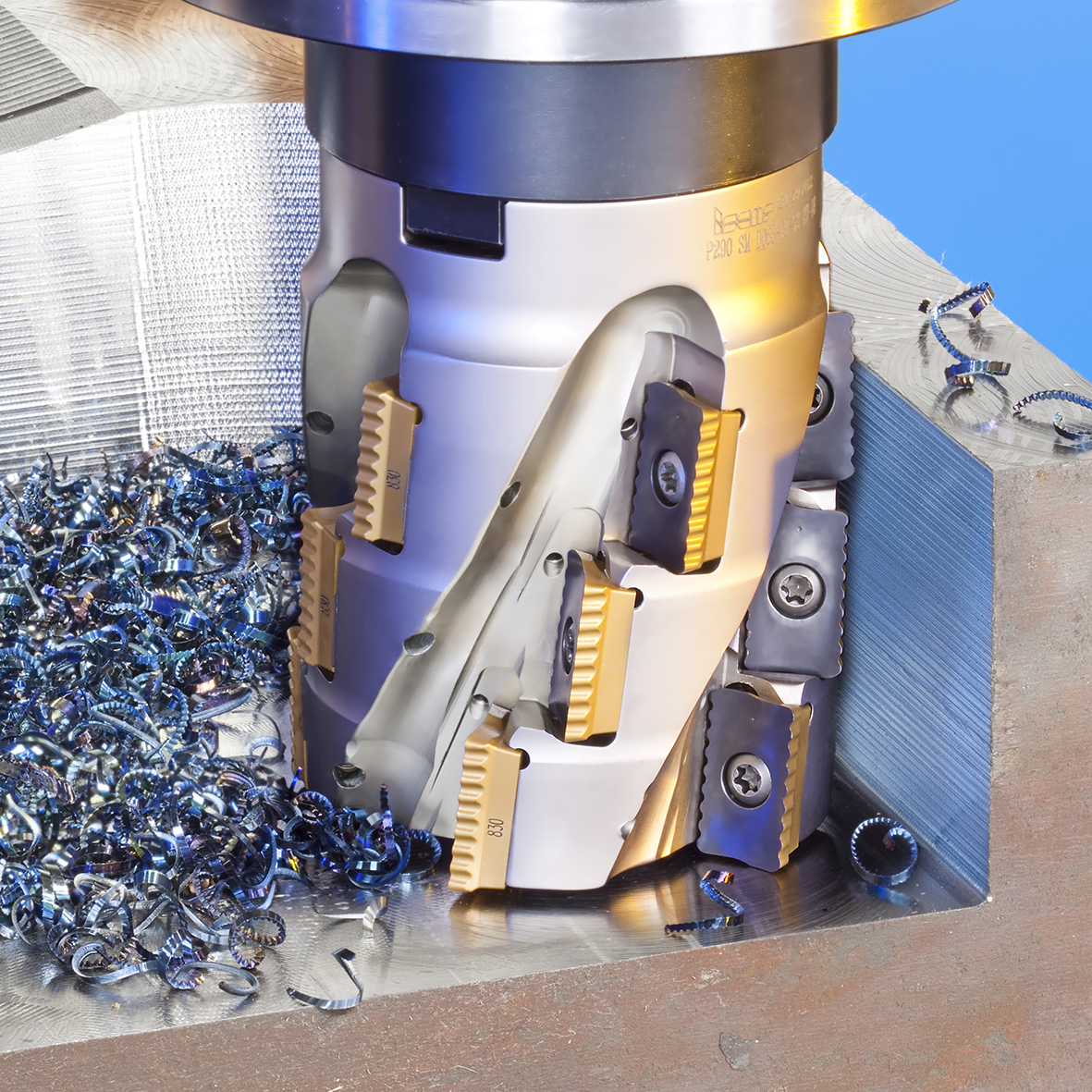
The geometry incorporates variable helix and unequal angular pitch in multi-flute solid carbide endmills and heads, along with a serrated cutting edge for effective chip splitting action in indexable inserts. Additionally, these tools and inserts ensure better chip handling, which enhances the performance of machining operations. The smart design of the pocket reducer allows mounting smaller size inserts, which provides the option of extending the use of existing tool bodies instead of purchasing new ones. This not only reduces the waste of raw materials but also helps decrease GHG emissions.

Chip-splitting geometry of MILLSHRED indexable milling cutters provides high stable milling and better chip handling.

Additive manufacturing (AM) has introduced new sustainability features in tool design. Firstly, AM technologies enable the production of a tool body that closely resembles its final shape, minimizing the need for finish machining and significantly reducing tool material consumption. Additionally, these technologies make it easier to create inner coolant channels in an optimal manner, improving the coolant flow through the tool body to the cutting zone.

The examples featured in this article illustrate how energy- and material-efficient, durable cutting tools can have a significant impact on technological sustainability. Such tools not only help reduce energy consumption and waste, but also contribute to cost savings and environmental stewardship.

For more information, please contact ISCAR South Africa (PTY) LTD – Tel: 011 997-2700.

Visit ISCAR

FASTER THAN THE FASTEST – CNC MULTITASKING LATHE WY-100V

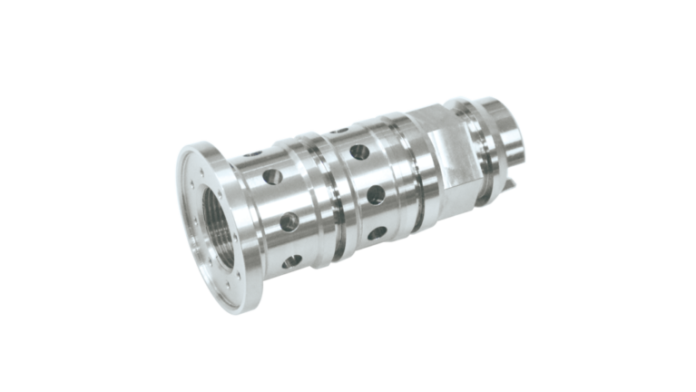
Sample Workpiece of a Hydraulic Valve Component.

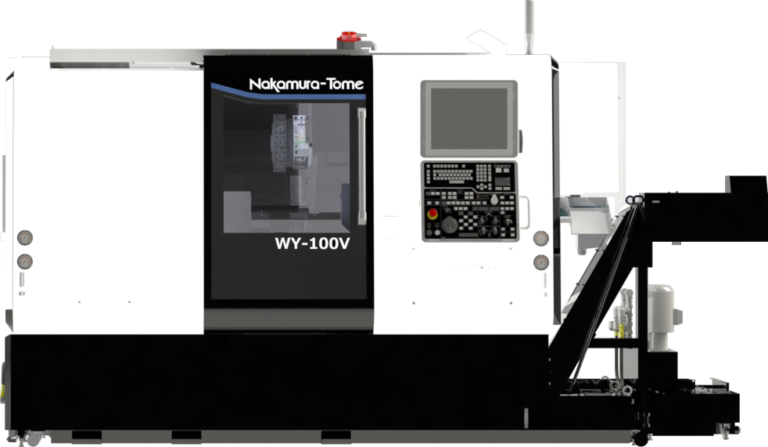
Nakamura-Tome Precision Industry Co introduced a new two-turret two-spindle precision CNC multitasking lathe the WY-100V. The new machine features many new technologies which reduce cycle time drastically.

Shogo Nakamura, CEO at Nakamura-Tome Precision Industry says: “Seven years after the predecessor WY-100II was released, the WY-100V was developed to present a higher value-added multitasking machine. The most significant feature is its high-speed capability. To minimize idle time, we have developed a new technology called “ChronoCut” and achieved significantly higher spindle speeds and milling speeds, while improving torque on the hardware side. As a result, we have successfully reduced cycle time by 30% in an actual machining case.”

Sample Workpiece of a Hydraulic Valve Component.

New hardware and software solutions have been developed to improve accuracy, while promoting faster mass production. Moreover, in terms of control, various techniques have been incorporated to reduce idle time. It is a completely new multitasking machine that is faster, while enormously enhancing productivity.

In a multi-turret machine, speed is of utmost importance. By reducing cycle time with a fast machine, customers can make a large number of workpieces within the same amount of time and effort. This subsequently is saving manufacturing costs in challenging cost-cutting situations, while alleviating concerns about tight delivery deadlines.

CNC Multitasking Lathe WY-100V.

“The WY-100V is a machine that embodies the concept of “Faster than the fastest.” It aims to reduce the burden on the shop floor. Even a few seconds of cycle time reduction can bring great satisfaction. Still, we have set a high goal of aiming for a 30% reduction with the sample workpiece demonstrated above and developed the machine from scratch with the dedication of our team. It is a machine that incorporates all our hardware, software, and machining expertise. We invite you to experience our new flagship two-turret machine,” concludes Shogo Nakamura.

Visit W D Hearn Machine Tools

OPTIMIZATION AND COST TRANSPARENCY IN SHEET METAL PROCESSING

TRUMPF spin-off Optimate at Blechexpo 2023 in Stuttgart – Hall 1, Booth 1106-1

In November, Blechexpo opens its doors and Optimate, the specialist for AI-based part analyses in the cloud, will be represented with its own booth directly in Hall 1. In addition to feasibility analyzing and automated part optimization, the new cost calculation will be presented to the expert audience for the first time. In the interview, CEO Jonas Steiling and CSO Sebastian Beger provide an up-to-date insight into the TRUMPF spin-off from Stuttgart.

Mr. Steiling, how has your start-up developed since you began three years ago?

Jonas Steiling: What began with the idea of an automated feasibility check for sheet metal processing has since developed into a digital companion for design and work preparation that has proven itself many times over. With just a few clicks, a user receives the feasibility analysis, part optimization and associated cost calculation for his parts in just a few seconds.

­ Jonas Steiling with an optimized sheet metal part in a before-and-after comparison.

“What good is it if manufacturing is optimized and automated in the direction of Industry 4.0 and Smart Factory, but a part or assembly cannot be manufactured at all?”

And where are you today?

Steiling: The App can now generate significantly more optimization suggestions – and also twice as fast as in the beta version, and we can optimize ten percent more parts. This know-how is developing from day to day, thanks to our artificial intelligence. At Blechexpo, we would therefore like to show visitors how we have managed to make AI easy to use and experience – for design engineers as well.

Optimate CSO Sebastian Beger.

“Our big highlight is definitely the new cost calculation functionality and that we can digitally map the three critical steps from CAD to the handover to fabrication. I’m absolutely convinced that sheet metal processing companies can ill afford not to use Optimate in the long run.”

Mr. Beger, how does Optimate help to avoid unnecessary costs for parts?

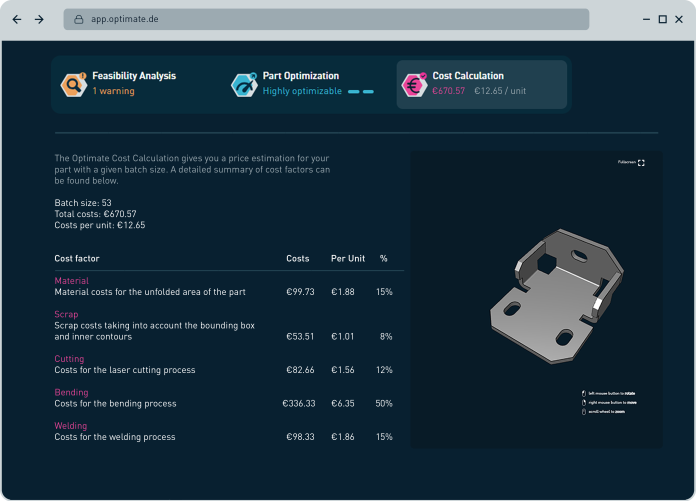
Sebastian Beger: We want to take a holistic approach to the challenges of the transfer from product creation to manufacturing. The questions that arise along the way are: ‘Can I manufacture the part like this”, ‘Are there any better variants?’ and finally ‘What does the designed part cost?’. And this is exactly where our integrated cost calculation comes in. Right at the start of the App, the user is shown three options for digital support: Feasibility analysis, part optimization and cost calculation.

Are there different packages?

Beger: Yes, we currently offer three packages of our cloud solution. These are precisely tailored to the individual needs of our customer groups. The ‘Essential Package’ is made for contract manufacturers and focuses on the features feasibility analysis and calculation. For companies with their own product and design, there is the ‘Professional Package’, which also includes the potential recognition and automated optimization. For portal operators who offer sheet metal processing in their web shops, we have the ‘Integration Package’ – here the Optimate services run in the background and our entire stored sheet metal knowledge is available via an API interface.

Which user groups are you targeting and which license models do you offer for them?

Beger: Within the packages, we have the option of offering licenses that depend on the number of users. For large companies or enterprises, we offer a flat rate in order to be able to reach different user groups, from purchasing to design engineers to managing directors. The number of users does not matter at this point, and Optimate can be used throughout the entire company, from design to work preparation, by a wide range of specialist departments without higher costs.

How can users apply the Optimate software?

Steiling: It is possible to use the feasibility analysis, cost calculation and part optimization directly in the browser-based web app without installation. For contract manufacturers or production-related work preparation, this basically means no effort. For those companies that want to use the tool in their CAD system for designing, we have developed a CAD plug-in for SolidWorks. We will also be presenting this integration to trade fair visitors for the first time at Blechexpo. And for those who want to access Optimate’s sheet metal knowledge across the board, we have developed an API interface that can be used, for example, to connect online web shops.

­Highlight at Blechexpo from TRUMPF spin-off Optimate – new digital cost calculation for parts in sheet metal processing.

Do you also address international markets?

Beger: That is an important question. Although we mainly address sheet metal processing companies from the DACH region at Blechexpo, we are also open to international trade fair visitors. We are currently in the process of actively targeting further markets. Specifically, we are talking about China, Great Britain and the USA, because the first customers there are already using our App.

How do you manage to make the savings potential transparent for customers?

Steiling: Our Automated Optimization shows the savings potential in percentage terms. Supplemented by our new cost calculation, this is now further specified and broken down into the factors of material and scrap as well as manufacturing processes. The generation of the suggestions themselves, including cost calculation, does not require much effort. Our App does it with the push of a button.

How does Optimate support designers in expanding their existing sheet metal knowledge?

Steiling: In our App, we provide decades of knowledge and access to valuable sheet metal know-how as a ‘digital consulting service’. The App supports the designer like a consultant in finding potential and shows him what he can change. Optimization suggestions are automatically displayed, giving the designer a huge head start in terms of design ideas. If the design engineer decides in favour of a particular suggestion, all it takes is a mouse click and the re-design is presented to him, including drawing data for download. With this sheet metal knowledge, we not only provide the design and work preparation departments with greater process reliability, but also eliminate time-consuming queries with the customer and expensive manual redesigns.

How does the cost calculation for individual parts and assemblies differ?

Beger: Within the assembly, we also determine the costs for the individual parts, which results in the total for the entire group. The assembly is of course exciting because it usually represents an entire function. We also identify standard parts, such as screws or nuts within the assembly, which do not need to be optimized. All other sheet metal parts get analysed.

How does the App specifically support the analysis of assemblies?

Beger: There are two points to consider when analyzing assemblies. On the one hand, we can dismantle assemblies into their individual parts and analyze them. Currently, these are assemblies with up to 25 individual parts. On the other hand, it is also interesting for some users to look at the complete assembly in terms of cost reduction. For the optimization of complete assemblies, we are currently using a hybrid approach. We combine our digital services with manual visualizations.

Can you give a concrete example of a consulting case for the savings from the hybrid optimization approach?

Beger: I can gladly give you an example of a customer: In this case, his order volume for a special assembly amounts to almost 222,000€. Thanks to Optimate’s hybrid optimization approach, the savings achieved are 30.4 percent. This means that over the course of the year, the optimization achieves considerable savings of almost 70,000€. In addition, the part will continue to be manufactured on an ongoing basis, which means that the customer can plan for this saving every year.

­Cost savings calculator – Even a handful of parts inspected each month can demonstrably save costs.

For further information, please contact RETECON – Tel: (011) 976 8600.

Visit RETECON

AMADA AUTOMATION SOLUTIONS

Ever-growing need for production has resulted in companies looking for unique methods of manufacturing with faster production times, less human intervention and ultimately less cost.

Labour costs play a huge role in production and the faster a product can be produced, the higher the profits.

In sheet metal applications, this is a difficult target due to the various stages of production such as blanking, bending, welding, grinding, painting, assembly, testing and packaging. These various processes are each a headache on their own.

Beginning with the blanking process, the designer needs to have a good understanding of the completed product and its intended use or application. This person also needs to have a good understanding of the capabilities of the machinery being used as well as the materials being processed.

The automation process begins by use of a CAD drawing system. Rendering a 3D model in Amada’s Sheetworks 3D software, the full product can be viewed, operated / animated and broken down into single part items. This process eliminates trial production and the waste of materials, time and resources.

Ultimately, all proto-typing can be done on a PC in the 3D environment, while the customer can sign off for the start of production before a single part or sample is physically produced. The process from creating the drawing to tool fitting and programming is executed by a few clicks on the PC mouse. The automated system will then separate material types and material thicknesses, it will nest the parts according to the parameters set and will program it accordingly for the selected machine.

Once completed at the programming stage, the programs are transferred from the PC to the machine by employment of a job card with a bar code attached. The use of a bar code scanner at the machine control will instantly display the program and rendering it immediately ready for production.

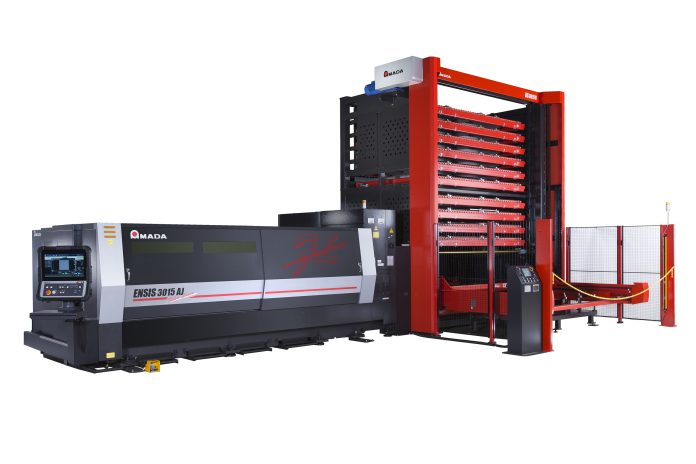
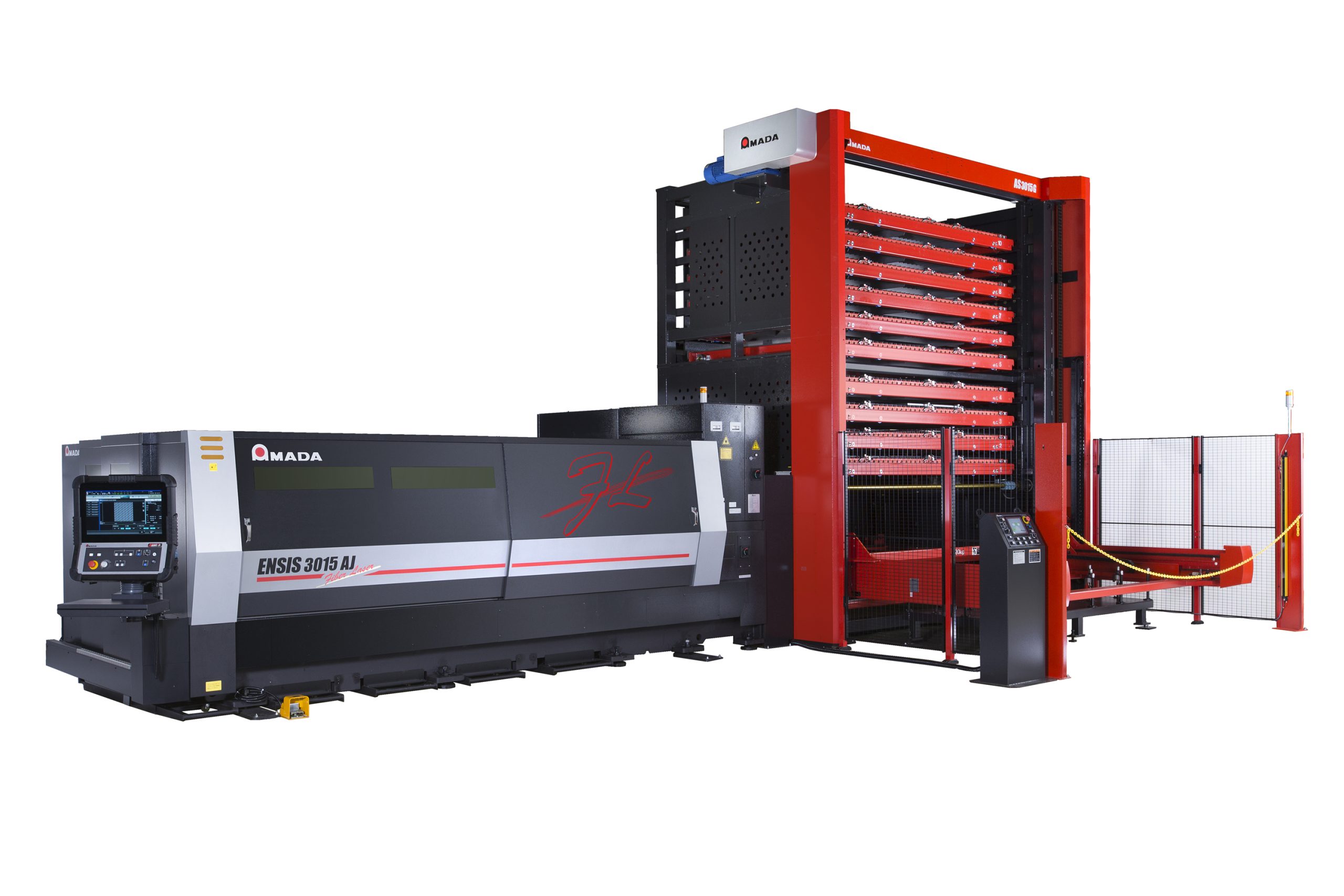
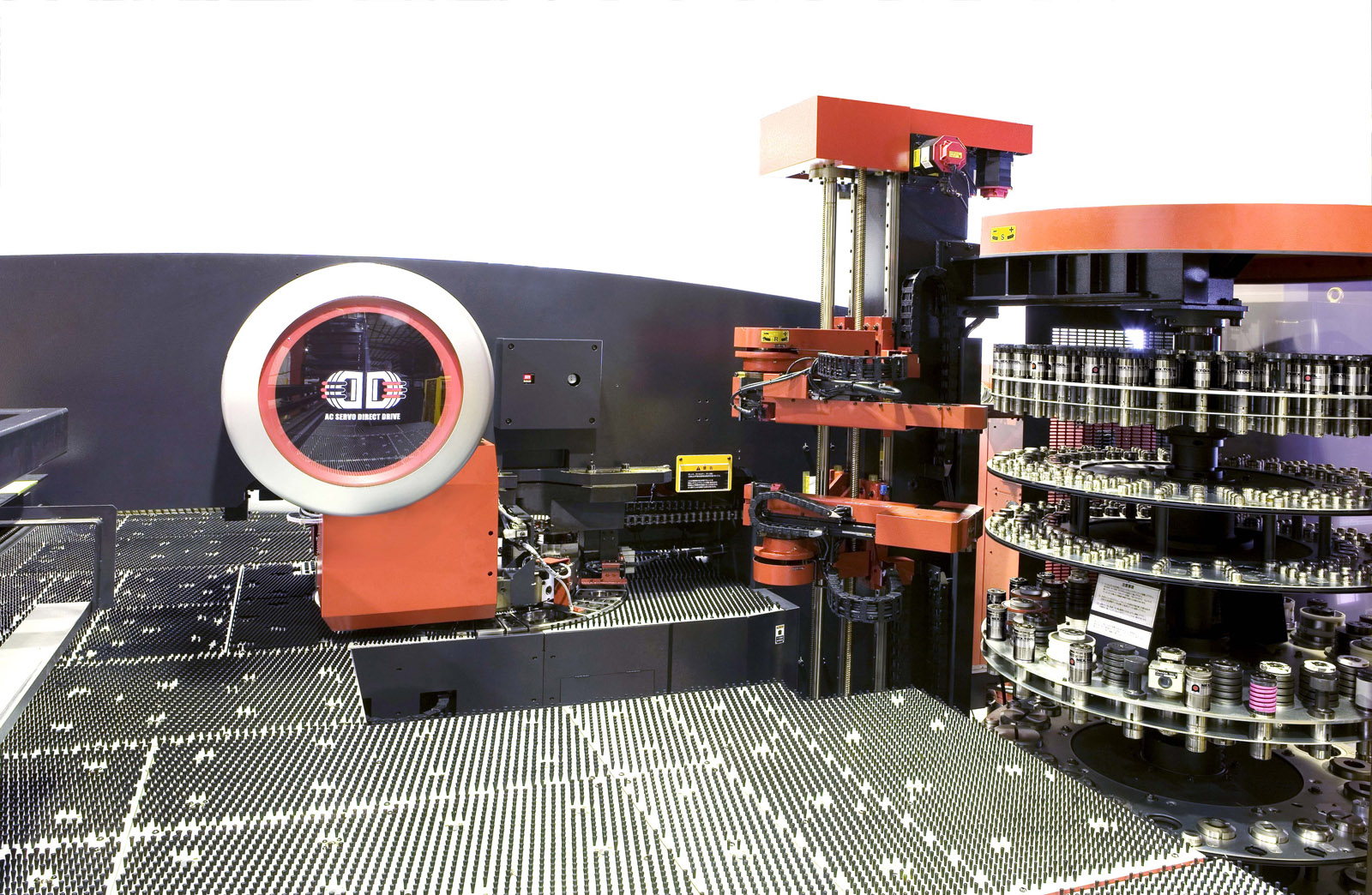
The scanning of the bar code will ensure that production throughput is handled in the correct sequence, thanks to the programmer who creates a production schedule according to the importance of the work. Once ready to begin with actual production, there is an additional automation option for material storage and material handling, too. These systems (ASF-H or ASR tower storage systems) & MPL (material manipulation system) are capable of loading the raw materials onto the table of the machine, ready for production to begin. All of this is possible without the operator having to touch the sheet. Once the sheet has been processed, it is offloaded by means of the manipulator system. It then is either stacked on a pallet complete with skeleton and parts or it can be separated by means of a “TK” system. The TK system is ideal for the removal and sorting of cut parts from a nested sheet. This “picker” will remove each individual part by means of numerous suckers and will place them onto different stacking pallets – sorting parts for their next processes needed onto individual pallets. Different customers’ jobs that were nested onto the same sheet can now be separated and stacked individually without any human intervention.

Bending can also be automated according to customers’ needs by utilizing Amada’s 4ie Bend software and creating all bending programs from the initial drawing. Sequencing and tool fitting is done on the PC and trial bending on the machine is eliminated. The “teach” function on the control of the bender will assist and indicate the precise positioning of each tool as required, while prompting the operator through the bending process. In the case of the ATC (Automatic Tool Changer), the machine will automatically load and unload tooling as required for the job at hand. The ATC will drastically reduce setup times between jobs as it can load a full three meters of top and bottom tooling in just 3 minutes. Suddenly the small batch runs or single part production becomes a much faster process with far less down-time.


For long constant production runs, robotics are available to replace operators. The robotic benders are ideal for constant bending of the same parts or very large production runs. These systems are available from very small robotic systems on the EGB press brakes, right up to the large – heavy duty press brakes handling parts that are too heavy for the operator.

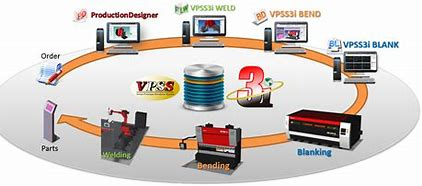
Amada provides a total automation solution for all requirements from single sheet manipulation (MPL), to multiple sheet storage and manipulation (ASFH or ASR) to high volume sheet storage and manipulation (MARS). Everything is programmed through a central Amada data-base (VPSS4ie) and fully backed by Amada’s dedicated service and applications teams.

For more information, please contact Amada – Tel: 011 453-5459.

Visit AMADA

DRILLING ALUMINIUM WITHOUT ADHESIONS


Walter presents the DC166 Supreme with innovative new thinner web


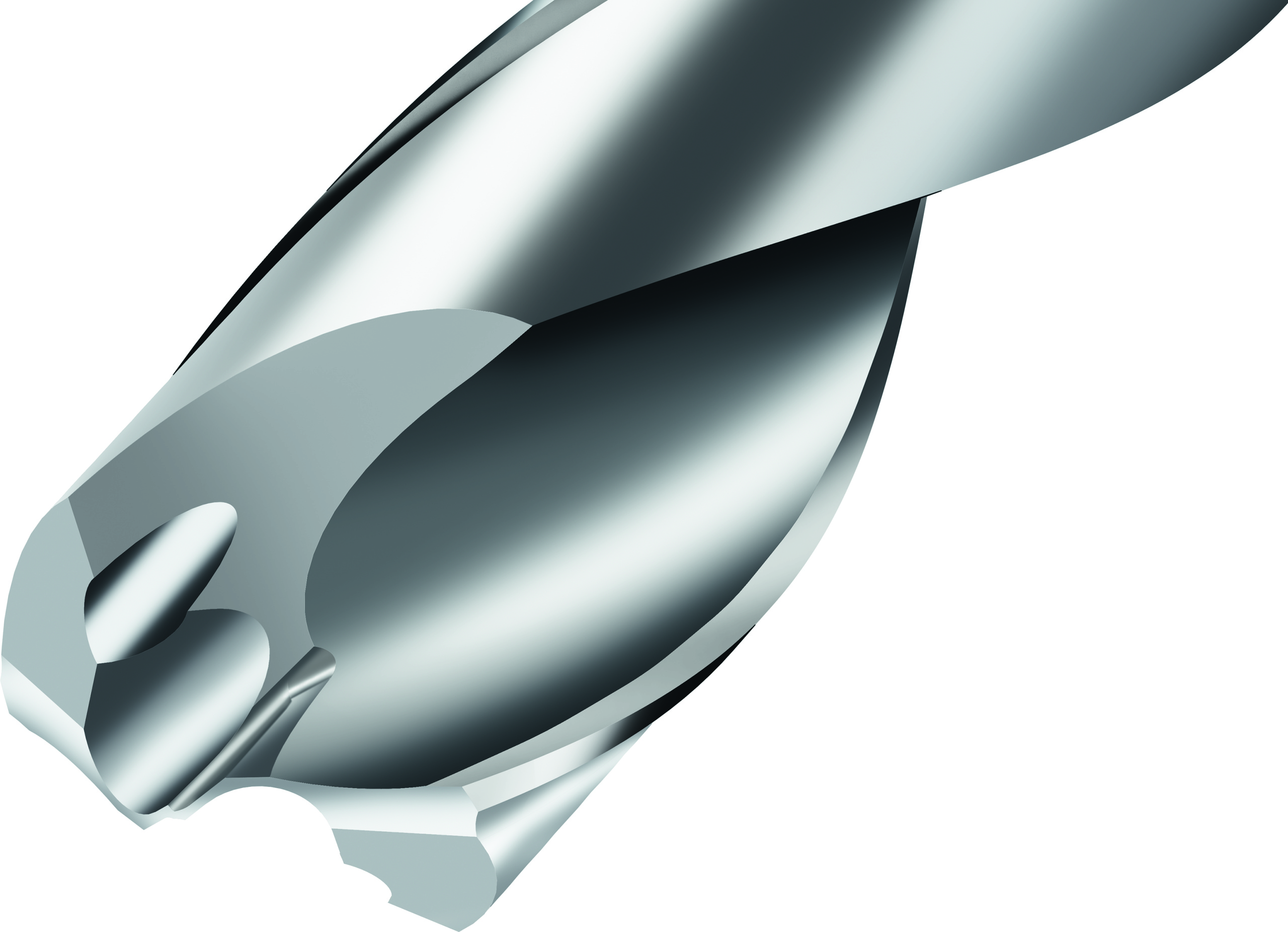
In the field of aluminium machining, operators often look for more specialist tools since their requirements are often very specific. But with their new DC166 Supreme, premium tool manufacturers Walter have demonstrated just how special a standard drill can be. The solid carbide drill with internal coolant has been specially developed for machining aluminium and other ISO N materials, which is why it boasts certain distinctive features, including all key surfaces on the drill, such as flutes, lands or clearance angles are polished. This reduces friction and prevents adhesions in the highly adhesive material, which in turn increases tool life and process reliability of the drill. The highly innovative, patent-pending thinner web of the DC166 Supreme is like nothing else on the market. It prevents edge from building up and improves chip removal and supply of cooling lubricant.

The aluminium specialists’ innovative design facilitates exceptionally high cutting speeds in conjunction with excellent drilling quality – especially in terms of the roundness of the hole and surface quality. Walter is launching the DC166 Supreme, which can be used with emulsion, oil or minimum quantity lubrication (MMS), in 5 × D, with a diameter of 3–12 mm. By having it available as standard, the company is able to quickly show the drill’s performance in action to potential users. At the same time, however, Walter also offers the drill as a special tool (up to 30 × D; dia. 3–20 mm) via the Walter Xpress Service with a shorter delivery time of maximum two weeks. The DC166 Supreme is of interest for all areas of application dealing with ISO N materials, especially the automotive sector and supply industry and aircraft construction.

For more information, please contact Spectra Carbide Tooling Technology – Tel: 021 555 4144.

Visit Spectra Carbide

NOT A MINOR DETAIL – MAJOR STABILITY


Walter introduces the new WL17 indexable inserts


Tool specialist Walter is expanding its WL copy turning system with the introduction of the new WL17 indexable inserts for Swiss type auto lathes and small Dmin. Used on the W1011-S-P external turning toolholder, which is also new and the W1210/W1211 boring bars, they bring the benefits of the existing WL25 inserts to smaller dimensions. The W1011-S-P toolholders with square shank in the most common shank sizes, 12×12 mm and 16×16 mm are specially designed for use on automatic lathes and multi-spindle machines. Walter is the only manufacturer to offer a turning system for automatic lathes with positive engagement and three-edge turning inserts. As with the WL25 turning inserts and toolholders, the smaller indexable inserts facilitate equally high cost-efficiency. This is partly thanks to the three cutting edges, as well as stability and higher indexing accuracy (+50 percent compared with ISO inserts). The targeted Walter precision cooling on the rake and flank faces also increases tool edge life.

When it comes to internal turning, the inner diameter (Dmin) of the workpiece is often a limiting factor. ISO turning inserts, such as the VBMT11, have only two cutting edges and can be used at a 93° approach angle from a Dmin of 22 mm. By contrast, the new Walter boring bars W1210 and W1211 with WL17 inserts can be used for internal turning from Dmin 18 mm and have one more cutting edge. Plus, the operator can use the indexable inserts for both forward and reverse turning. Just like all WL inserts, the WL17 inserts can be used in a neutral, right-hand and left-hand version and are coated in the latest cutting tool materials, such as Tiger·tec® Gold. Thanks to its high stability and cost-efficiency, the WL17 copy turning system is ideal for internal turning of small diameters and for use on automatic lathes.

For more information, please contact Spectra Carbide Tooling Technology – Tel: 021 555 4144.

Visit Spectra Carbide

NEW SGTBU C-14 HEAVY DUTY BLOCKS FOR HBR/L/N-IQ DOVEIQGRIP BLADES

ISCAR introduces SGTBU C-14 blocks with a wide fixing prism suitable for 10-14 mm width DOVEIQGRIP blades.

Until now, the only standard option to clamp the THBR/L/N-IQ DOVEIQGRIP blades was on the existing blocks, designed for 8 mm wide blades. These blocks were not ideal holders due to their narrow prism.

The new SGTBU C-14 blocks feature a wide prism which enables a much more rigid clamping for 10-14 mm blade widths.

The new blocks feature internal coolant and they are available with 32, 40 and 50 mm shanks carrying 52.6 mm height blades.

For more information, please contact ISCAR South Africa (PTY) LTD – Tel: 011 997-2700.

Visit ISCAR