Home Blog Page 4

LASER TUBE CUTTING FOR BEGINNERS AND EXPERTS

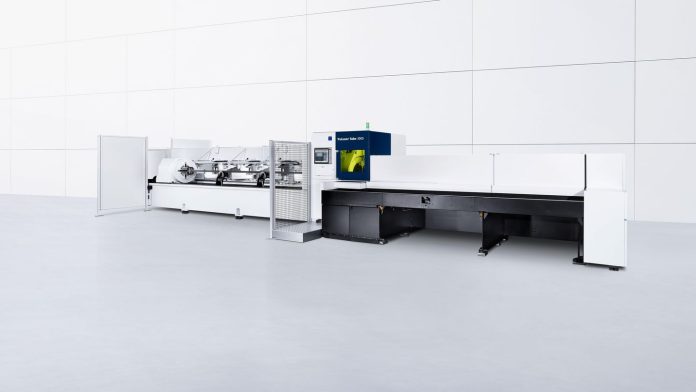
The TruLaser Tube 3000 fiber is suitable for companies that want to enter this technology and for companies that want to expand their manufacturing capacity.

A TRUMPF machine for getting started with laser tube processing or as an addition to existing machinery – Cost-effective even with low capacity utilization – Easy to operate thanks to numerous automated features

TRUMPF introduced a new laser tube cutting machine, the TruLaser Tube 3000 fiber, a cost-effective choice even at low to medium capacity utilization. It is therefore equally suitable for companies that are entering this technology as it is for companies seeking to expand their production capacity. The machine enables the versatile processing of tubes and profiles and replaces conventional tube processing steps such as sawing, drilling and milling.

Starter kit to enter the world of tube processing

The TruLaser Tube 3000 fiber covers a broad range of applications including profiles, round tubes and flat steel bars. It also offers the option of L and U profiles. The two-kilowatt solid-state laser performs high-speed cutting of mild steel, stainless steel, aluminium and nonferrous metals such as copper and brass. An extensive set of cutting data is already stored on the machine. The TruLaser Tube 3000 fiber can cut tubes with diameters of up to 152 millimetres and profiles with an outer circumference of up to 170 millimetres. The self-centring clamping technology, which is designed to hold the tube in place and position it correctly during machining, adapts automatically to the tube dimensions without requiring manual setup by the operator. The TruLaser Tube 3000 fiber also configures other important settings automatically.
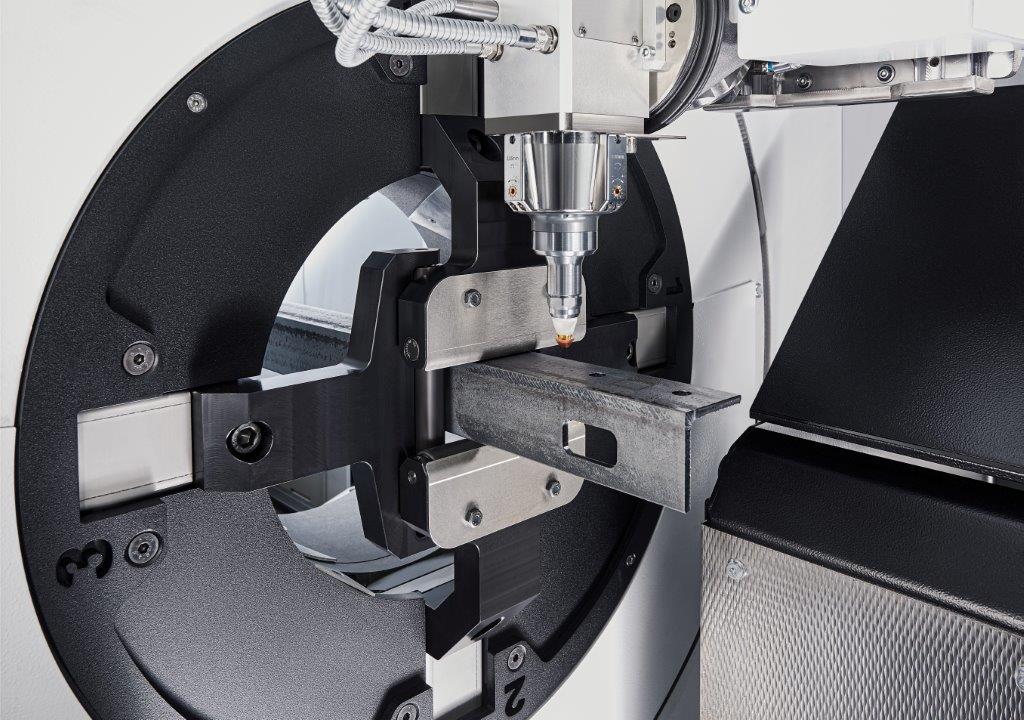
The self-centring clamping system fixes and positions the tube, thus ensuring optimal finished part quality.

The AdjustLine function modifies cutting parameters at the touch of a button to ensure reliable cutting of lower-quality materials. SeamLine Tube detects weld seams and markings on the inner and outer surfaces of the tubes, helping operators check that the tubes are correctly aligned in the machine and that the weld seam is in the desired position in the finished part. With its easy setup and high degree of automation, the TruLaser Tube 3000 fiber is a user-friendly machine that represents a cost-effective option for small batch sizes.

Reliable and precise parts handling

The TruLaser Tube 3000 fiber cuts tubes weighing up to 18.5 kilograms per meter with material thicknesses of up to 8 millimetres. It is available in two lengths that accommodate either 6.5 or 8 meters of material. Thanks to the optional LoadMaster Tube automated loading system, the machine is also a cost-effective choice for high-volume production runs.
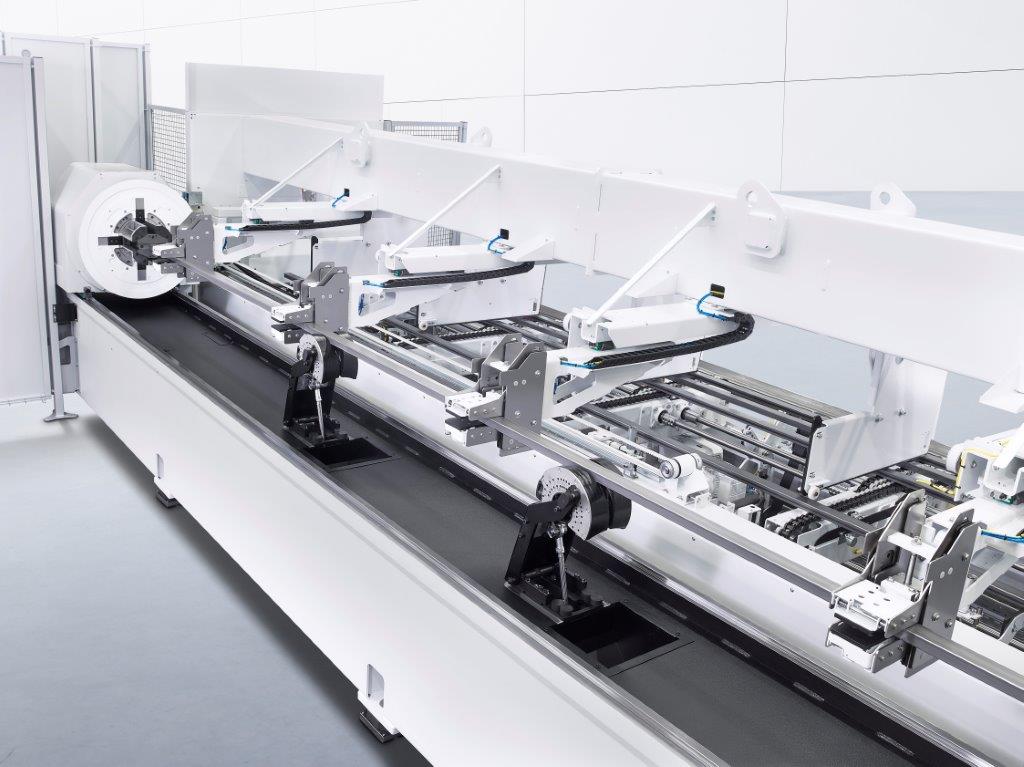
Thanks to the LoadMaster Tube loading automation, the machine can profitably perform large-scale production as well.

An integrated materials store known as the “bundle space” provides a buffer store that can hold up to 4 metric tons of raw material, or up to 5 tons with the machine version designed for an 8-meter loading length. The LoadMaster Tube system separates and measures the tubes parallel to production and transfers them to the machine. To ensure top-quality parts, step rollers support the tubes and guide them to the machining station.
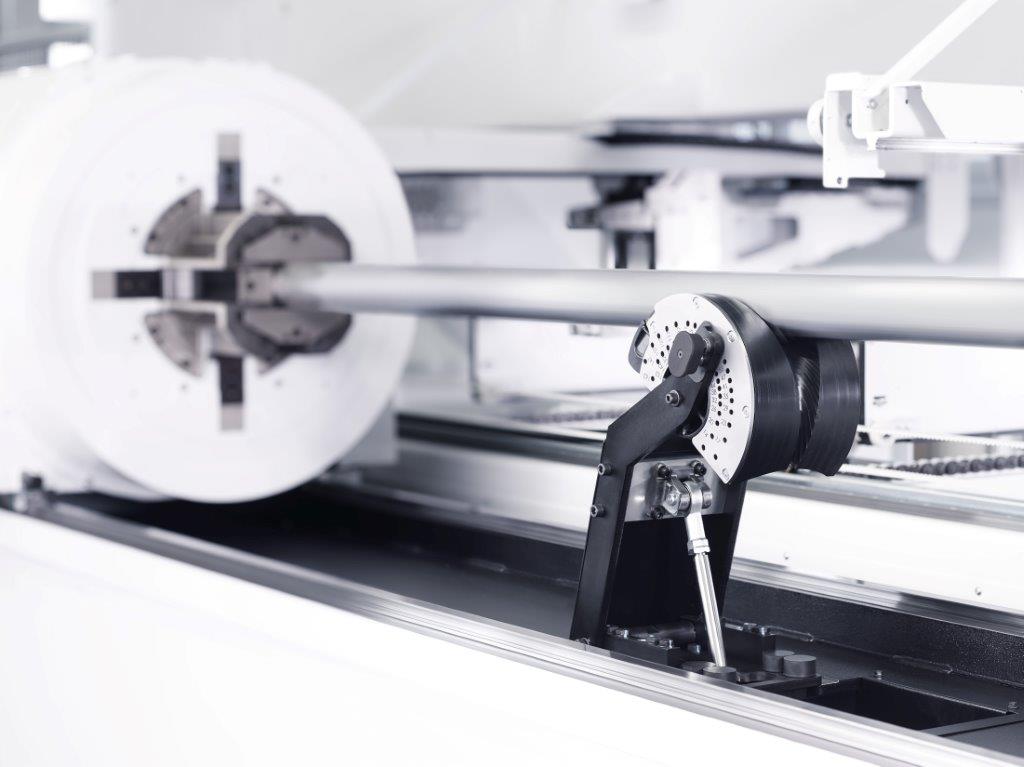
Step rollers support and guide the tubes to the processing station. They can be manually adapted to the respective tube diameter in no time.

These rollers can be adjusted to the current tube diameter in one simple action. The machine also features guide rollers on the unloading side which provide more support to long tubes during processing. The TruLaser Tube 3000 fiber ejects finished parts onto a rack. Set to the correct ergonomic height, this allows the operator to remove them comfortably while the machine continues working. Shorter parts can be ejected straight into a box. The TruLaser Tube 3000 fiber automatically separates cutting slugs and scrap metal from the finished parts and disposes of them in containers.

Key components easy to access at any time

Thanks to the design of the machine’s beam guard, the operator can easily access the loading and unloading sides of the machine at any time – for example to load individual tubes into the machine to process a smaller job between bigger ones. There is no need for a complete housing. A large, laser-safe viewing window makes it easy to keep an eye on the machining process.

Ready for the smart factory

Users can make changes to the machine’s production schedule or keep an eye on the machine using an app, making it even easier for the operator to keep track of the entire machining process in the TruLaser Tube 3000 fiber. A secure, OPC UA-based data interface is included to connect the machine to an ERP or MES system or to a cloud application, for example. TRUMPF machine apps provide information on program runtimes and machine capacity utilization.

For further information, please contact RETECON – Tel: (011) 976 8600.

Visit RETECON

HIGH QUALITY PROCESSING FROM THIN TO THICK MATERIALS ON A GLOBAL STANDARD MACHINE

Amada ORSUS 3015 AJe Laser

By Barry Page, Amada

It is now possible to own an affordable and utterly reliable laser, which is built by Amada in Japan. The newly launched Amada “ORSUS” fibre laser cutting machine is a 3 meter x 1,5 meter (3015) shuttle table machine, available in a 3kW, 6kW or 8kW power derivative.

Amada realized that those who are in the laser cutting game should understand the importance of  having all the fundamentally important aspects in a machine package in order to be successful and profitable, with reliable equipment and guaranteed after-sales service. The Amada ORSUS offers all of this under the name that has become a worldwide market leader in the industry.

Equipped with the new Amada AMNC4ie control, easy control interaction is realized through simple tasks like moving or placing parts manually on the sheet by dragging across the touch screen, or soft joint creation to hold components inside a sheet without a physical micro joint. This is unique to Amada’s newest laser controls. The bar code reader system simplifies program transfer from the drawing office to the machine. Full maintenance schedules are displayed and interactive videos even display the method of doing correct preventative maintenance – continually.

Mode Converter

Equipped with a “mode converter system”, optimum beam mode shape is acquired through 2 pre-set shapes and based on the specific cutting application. This automatic system adjusts the beam mode shape according to processing requirements.

Different cutting methods are standard features on the ORSUS models, such as oxygen cutting – using  oxygen, air cutting – using compressed air, clean cutting – using nitrogen, Eco cutting – with small diameter nozzles and (low) oxygen pressure, and even WACS cutting – water assisted cutting on thicker materials to reduce heat dispersion in the sheet.

Additionally, the Amada Hyper EZ Cut II system can be retrofitted to any of the Amada laser cutting machines, both Co2 and fibre. This Hyper EZ unit is connected to the compressor air system and filters the air, retrieving lower grade nitrogen, which is used in the cutting process, drastically reducing assist gas costs.

The unit is powered by a 24 volt circuit on the laser machine and supplied with long life filters, which ensure many hours of maintenances free nitrogen generation. The Hyper EZ Cut gas is fed to the machine through the air line and is selected by a simple selector lever system.

Amada V-Factory monitoring system

i-Process monitoring is standard on the ORSUS, which monitors the cutting condition as well as pierce penetration. The constant monitoring of light during the piercing and cutting process i-Optics Sensor is another standard feature, which monitors the condition of the protection glass, giving warnings before the cutting process is hindered. Contamination levels are indicated on the control screen to encourage cleaning or replacement.

With fibre lasers being on average 50% more efficient than the Co2 predecessors, additional savings can be realized through the employment of the various cutting methods and checking systems.

Mobile HMI, a standard feature, allows for the monitoring of the machine in the factory on a smart device. The operator can now monitor and operate multiple machines by starting and stopping programs remotely. This HMI system will keep you updated on the machines’ status constantly.

One step further than this is the complete factory monitoring system called “My V- Factory”. This is an optional package, able to monitor production operations in your factory. It will show when machinery is in a stopped state, alarm state or operational. It allows the full monitoring of what is being processed, when it was processed, alarm time history, production time history, idle time history and setup time.

Interruption during processing is a constant problem in our industry thanks to erratic power supply. Resumption and recovery is simple on the Amada system with the aid of the “resumption” function. The machine will automatically resume cutting from the point, where it was last interrupted.

The ORSUS is supplied with the standard shuttle table system, which ensures continuous production, facilitated by the automatic table change-over function. The table exchange takes 24 seconds to complete, and the shuttle can be unloaded or re-loaded without interfering with production in the machine.

Various automation options are available as retro-fit systems. These vary from the basic MPL sheet manipulator carrying up to 6 tons of material, to the single ASFH tower systems offering 6, 8, 10 or 12 shelves – each holding 2 tons of material, the double tower system and even part picking, removal and stacking to ensure sorting of nested parts on various stacking pallets.

The ORSUS comes supplied standard as a fully enclosed machine (Full cover partition). Due to health and safety regulations around the world and in South Africa too, it is illegal to operate a fibre laser without proper and adequate protection in place. Amada ensures that this aspect is covered fully as they understand the risks and hazards of exposure to the invisible fibre laser radiation.

Amada is an accredited and licenced importer and seller of fibre technology and adheres to all safety requirements as specified by the South African Health Products Regulatory Authority.

For more information, please contact Amada – Tel: 011 453 5459.

Visit AMADA

KITE 2025 – THE FUTURE OF INDUSTRIAL MANUFACTURING DIGITALISATION

The rapid advancement of digitalisation in industrial manufacturing has made it crucial for businesses to stay ahead of the curve. The KwaZulu-Natal Industrial Technology Exhibition (KITE) 2025 is set to be the ultimate hub for industry professionals looking for cutting-edge solutions. If your business is on the path to digital transformation, this event is a must-attend.

KITE 2025, taking place at the Durban Exhibition Centre from 22–24 July 2025, is the premier platform for industrial technology, connecting suppliers with organisations that need tailored solutions. With over four decades of industry experience, KITE has solidified itself as the go-to event for innovation, networking and knowledge-sharing in industrial technology.

Digitalisation is transforming industrial operations, offering increased efficiency, automation and data-driven decision-making. However, there is no one-size-fits-all approach. Each business requires specific solutions, making events like KITE 2025 essential for finding the right technology and expertise.

Key Highlights of KITE 2025:

  1. Cutting-Edge Exhibits & Live Demonstrations – KITE 2025 brings together leading suppliers showcasing the latest industrial technology. Live demonstrations allow attendees to see these solutions in action before making investment decisions.
  2. SAIMechE Seminar Theatre – Learn from the Experts. Attendees can gain valuable insights from industry experts through free-to-attend sessions at the SAIMechE Seminar Theatre. These sessions cover key trends, regulatory updates, and the latest advancements in industrial technology.
  3. One-Day LEEASA Conference – The Lifting Equipment Engineering Association of South Africa (LEEASA) conference will be a major draw for professionals in the lifting equipment sector. Expect in-depth discussions on safety, compliance, and technological advancements.
  4. Unparalleled Networking Opportunities – Beyond technology and learning, KITE 2025 offers a unique chance to connect with industry peers, share knowledge, and build partnerships that can drive long-term business success.

“If your organisation is undergoing digital transformation, KITE 2025 provides a direct line to industry-leading solutions. Not only are the exhibitors eager to impart their experience and expertise, but you will also be able to network with industry peers and share important information that will ultimately assist in the sustainability of your operations.” says Charlene Hefer, Portfolio Director at Specialised Exhibitions.

Visit KITE

THE NEW NORIS DRILLREX UNI TWIST DRILL


Innovative, versatile and economical


REIME NORIS, specialist in threading tools, presents the further development of its successful NORIS DRILLREX UNI twist drill program. By applying latest technologies, this drill has been optimized to meet the growing demands of the market.

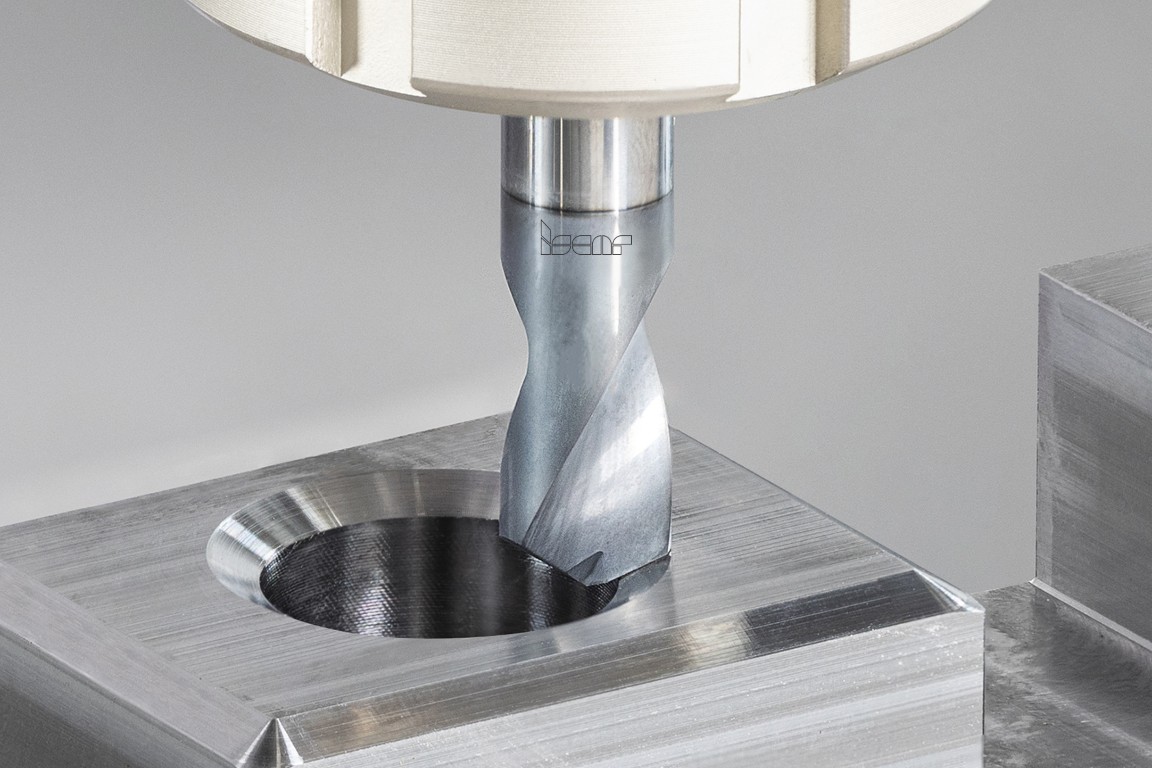
Perfect threads start with the right twist drill, and this is where the NORIS DRILLREX UNI comes into action. Designed according to DIN 6537 L (5xD), the twist drill is available in the diameter range from 3.00 to 18.00 mm.

The NORIS DRILLREX UNI is defined by its high profitability and sustainability, as it can machine a wide range of materials with a single tool. The optimization of carbide, coating and geometry enables universal use with a reliable increase in performance.

Thanks to the newly developed cutting edge preparation in combination with the stable cutting corner, the drill achieves excellent performance in various material groups such as steel materials, stainless steels, cast materials, non-ferrous materials and selected special materials, and thus noticeably reduces costs. The AlTiN coating, specially adapted for this type of machining, provides exceptional wear protection and enables high cutting speeds and feed rates.

The curved main cutting edge and the resulting open flute shape ensure easy chip removal and high process reliability thanks to the internal coolant supply. The four optimally arranged margins guarantee precise bore quality, prevent clamping even in stainless steels and ensure optimum guidance during machining.

For more information, contact Duncan MacDonald – Tel: 011 865 4090.

Visit Duncan MacDonald

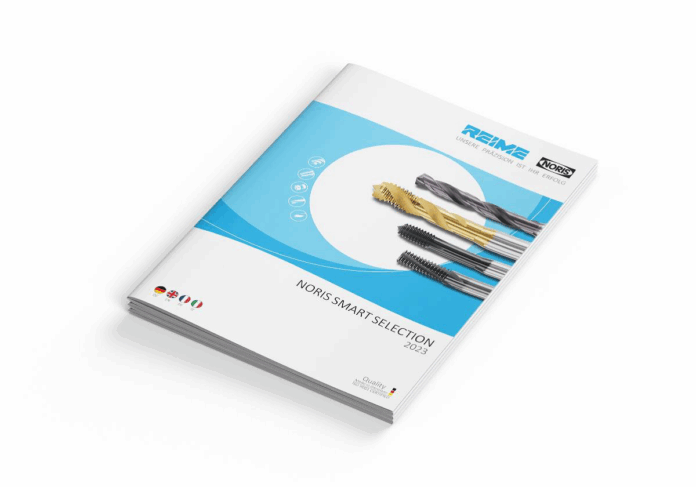
THE NEW DIMENSION IN EFFICIENCY – SMARTSELECTION FROM REIME NORIS


Update of SmartSelection brochure


When things have to move quickly, it’s often the essentials that count. For this very reason, REIME NORIS has selected a best-of class range of threading tools from its extensive product range and clearly summarized them in the new SmartSelection program. This gives the user the perfect solution for his field of application at a glance.

Particularly in small and medium-sized companies, the requirements for threading tools are constantly changing. It is precisely here that a targeted and quick selection of the required tools is crucial. With the SmartSelection range, REIME NORIS simplifies this task for the user.

The tools in this range are especially characterized by their geometry, which is adapted to the specific application. In addition to the proven products for thread production, REIME NORIS has now also included twist drills in the SmartSelection family in order to offer a high-quality solution for every application, from core drilling to the finished thread.

Through optimized cutting edge geometry, surface and coating combinations, this tool selection ensures increased production reliability and extended tool life. In addition, the brochure contains valuable information and explanations on various chamfer variants and flute shapes. Tables for the drill hole diameters for the common thread types complete the technical section.


For more information, contact Duncan MacDonald – Tel: 011 865 4090.

Visit Duncan MacDonald

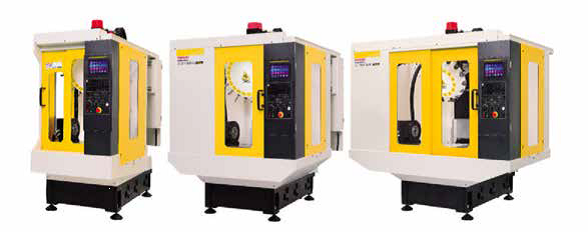
THE FANUC ROBODRILL

The FANUC ROBODRILL is widely known and adopted into engineering shops throughout South Africa. FANUC continuously develops new features and aims to make the ROBODRILL even more versatile.

Machining Modes

The FANUC ROBODRILL has Machining Mode settings which enable the user to easily switch between parameters related to the milling behaviour of the machining process, be it for high accuracy electronic housings to high quality mould parts. These settings can even be changed on-the-fly with the use of a simple M-Code to simply switch from speed to precision mode when reaching the final pass cuts. FANUC constantly develops these features with ease-of-use in mind and strives to have the best possible interface.

Development of G-Codes

Some unique tools require special G-Codes and the FANUC ROBODRILL strives to make any introduction of new tools as simple as possible. Use of deburring tools on a cylindrical surface is one such application. With the use of a simple G-code the deburring of a hole on a cylindrical surface can be easily integrated into a program.

 Even bigger rotating parts with the same footprint

The FANUC ROBODRILL is now available with a travel of 500 mm in the Y axis and enables the use of an even larger DDR-TLiB Raised Version. Parts up to 540 mm in diameter can be rotated with the raised centre height of 325 mm.

Lathe functions on a Robodrill?

FANUC has released a High-Speed Rotating version of its highly trusted DDRiB 4th axis unit. The DDR-HSiB realises not just accurate four axis positioning but also rotation speeds of up to 1,500 RPM. The DDR-HSiB can be installed in either A-axis or C-axis orientation.

FANUC ROBODRILL is made in Japan and comes with a 2 year mechanical and control warranty.

For more information, please contact FANUC South Africa – Tel: 011 392 3610.

Visit FANUC

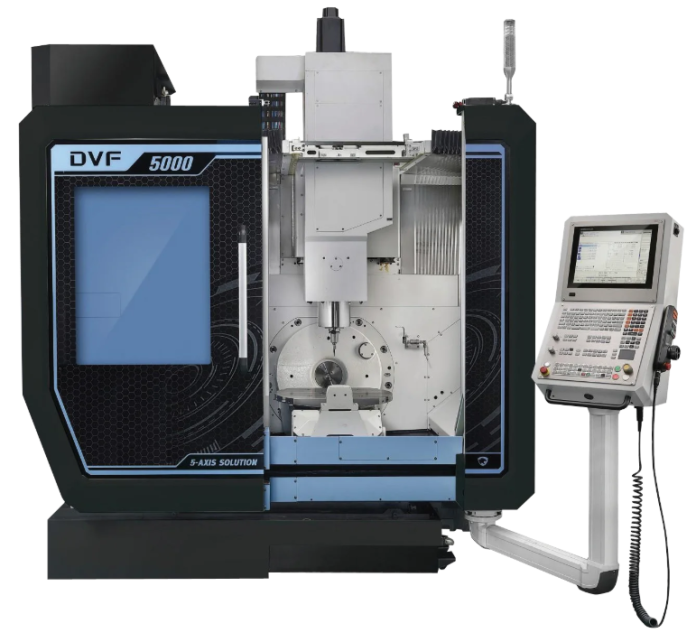
DVF 5000 DESIGNED TO REVOLUTIONIZE PRODUCTIVITY AND MACHINING CAPABILITIES


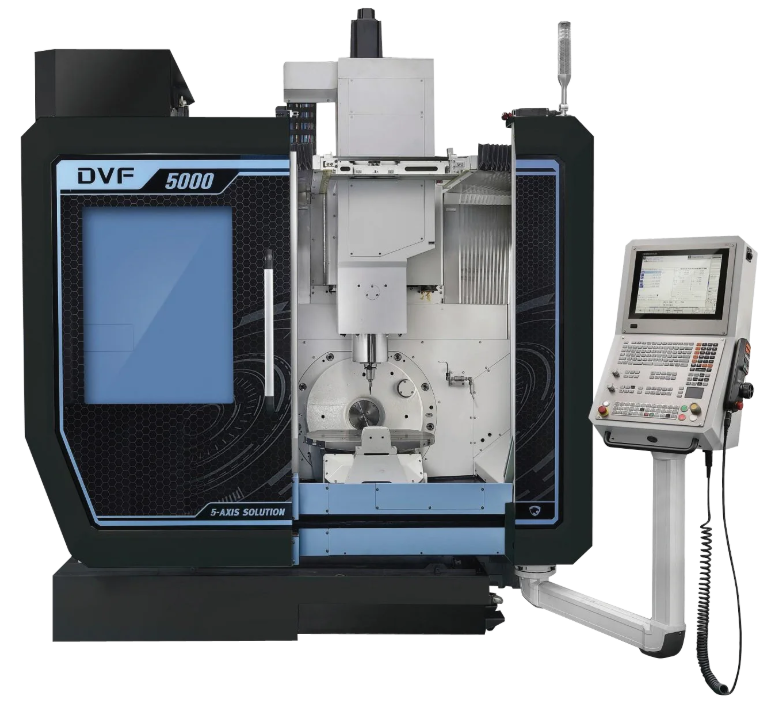
Unveiling the DVF 5000 Second Generation Simultaneous 5-axis Vertical Machining Centre Designed to Revolutionize Productivity and Machining Capabilities


DN Solutions unveils its latest marvel: the DVF 5000 Second Generation, a simultaneous 5-axis vertical machining centre designed to elevate productivity and machining capabilities to unprecedented heights.

Serving as the flagship 5-axis machining centre for DN Solutions, the DVF 5000 facilitates the seamless machining of complex shapes and curved surfaces in a single setup. By addressing issues of time, cost and quality inherent in repetitive setup processes, it streamlines operations while enhancing efficiency.

Building upon the success of its predecessor, the DVF 5000 Second Generation raises the bar even higher. Equipped with an industry-leading cooling system and standard thermal displacement compensation, it ensures unparalleled precision, even during prolonged operation. Its robust bed structure enables precise machining of workpieces weighing up to 400 kg, empowering manufacturers to tackle diverse projects with ease. The integration of a built-in Auto Workpiece Changer (AWC) and round magazine facilitates a compact automation system, while various features such as the auto kicking device enhance profitability for customers.

Productivity Enhanced with Astonishing Speed

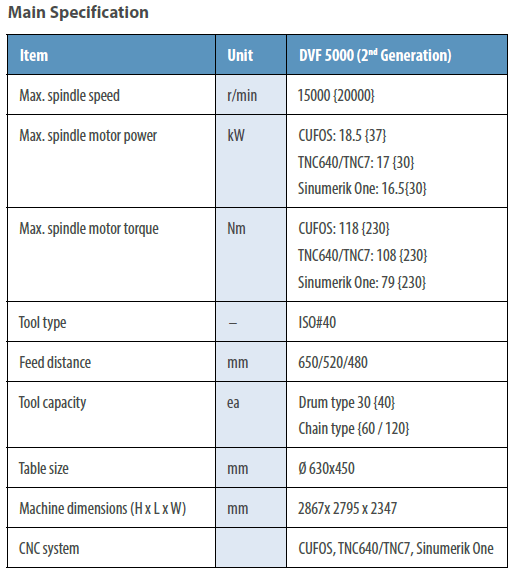
With remarkable speed, the DVF 5000 Second Generation redefines productivity, boasting significantly faster X, Y, and Z-axis feed rates that double the speed of its predecessor, achieved through an acceleration and deceleration rate of 0.4g. Additionally, it showcases a 25% increase in B- and C-axis rotation speed, now at 25 r/min, alongside an impressive Tool to Tool (T.T.T) time of 1.3 seconds and a Chip to Chip (C.T.C) time of 3.8 seconds, making it 28% faster than its forerunner. This remarkable advancement positions the DVF 5000 Second Generation as the epitome of productivity in its class.

Moreover, the DVF 5000 Second Generation now comes standard with a 15000 r/min spindle, elevating its versatility and performance. Equipped with a high-rigidity high-speed spindle and a robust columnar structured table, it delivers impeccable surface finishes, facilitating the machining of a wide array of materials, from high-speed aluminium to challenging-to-cut metals like titanium, Inconel, and CoCr (Cobalt Chromium). Furthermore, opting for the built-in spindle capable of achieving speeds of up to 20000 r/min enhances precision machining capabilities, enabling fine surface finishing and intricate 5-axis contouring. Additionally, the inclusion of a high-torque spindle (max. 230Nm) enables the machining of exceptionally tough-to-cut materials, further expanding its capabilities.

Advanced Thermal Displacement and Precision Compensation

The DVF 5000 Second Generation showcases a meticulously engineered symmetrical structure, designed to thwart any deformation. To curtail heat generation within the rotation and feed axes, it integrates multiple cooling units strategically positioned in key drive locations, including the spindle, feed axis, and rotary table. Embracing a smart thermal displacement compensation function as standard, it guarantees impeccable precision even during prolonged machining sessions. Moreover, active sensors embedded within the spindle head, column and bed diligently monitor thermal displacement throughout the machining process, automatically adjusting to minimize thermal expansion and distortion.

Elevating productivity and machining stability, the DVF 5000 Second Generation includes a high-speed servo magazine as a standard feature. With its high-rigidity and precision roller-type LM guideways, capable of accommodating a maximum load of 400kg, it ensures steadfast machining performance. The incorporation of a 0.0001-degree high-precision B- and C-axis rotation mechanism guarantees exceptional accuracy. For added precision, the optional IKC (Intelligent Kinematic Compensation) solution adeptly compensates for rotary axis centre errors, mitigating deviations in workpiece shape with precision and finesse.

Upgraded Machining Flexibility

The DVF 5000 Second Generation presents expanded machining capabilities, providing greater flexibility with enlarged workpiece and clamping tool sizes. Featuring a table size of Ø630 x 450 mm and accommodating a maximum workpiece size of Ø600 x H500 mm, it boasts a remarkable 26% increase in table size and a substantial 32% expansion in maximum machining area. This enhancement opens doors to a wide spectrum of industries, catering to the needs of manufacturing diverse parts, from intricate, high-precision medical components to small and medium-sized parts vital to the automotive, aerospace, and semiconductor sectors.

Additionally, the DVF 5000’s extended travel distances for the X, Y, and Z axes—now at 650 mm, 520 mm and 480 mm, respectively, represent a significant 20% increase. This expanded space allows seamless integration of automation units for material loading and unloading, further enhancing operational efficiency and versatility.

Compact Automation Solutions

Positioned as the prime choice for compact automation, the DVF 5000 sets the standard for streamlined automation capabilities. Elevating its automation prowess, the DVF 5000 2nd Generation features an easy-to-install and operate AWC, a round magazine system that enables 24/7/365 unmanned operation, accommodating up to 40 workpieces. Notably, the AWC unit seamlessly integrates with the previous generation, ensuring compatibility and ease of transition.

Enhanced Operator Convenience Features

The DVF 5000 Second Generation offers users the flexibility to select and apply NCs from FANUC, HEIDENHAIN and SIEMENS, each equipped with cutting-edge NC technology. It boasts accelerated data and PLC (Programmable Logic Controller) processing speeds, spanning from programming and program verification to machine setup and actual machining. Notably, FANUC NCs stand out with their collision prevention system (CPS), which actively monitors internal materials, tools and axis feed units in real time to avert potential collisions and prevent damage.

Moreover, the machine enhances operator accessibility with the relocation of the magazine window for tool setup to the front, streamlining access. An auto kicking device has been incorporated to facilitate seamless tool changes, while the reduced distance between the operator and the table centre simplifies workpiece setup. Improvements in chip handling are achieved through the installation of six flood coolant nozzles on the spindle’s front, aiding cooling and chip removal during machining, alongside a flushing nozzle on the machine bed to minimize chip accumulation. As a testament to its commitment to environmental sustainability, the DVF 5000 Second Generation features grease lubrication as a standard feature, reducing oil consumption and rendering it a more eco-friendly machining centre.

For further information, please contact PUMA MACHINE TOOLS – Tel: (011) 976 8600.
Visit PUMA Machine Tools

CHASE-8-SFEED PERFORMANCE FOR HIGH PRODUCTIVITY FACE MILLING

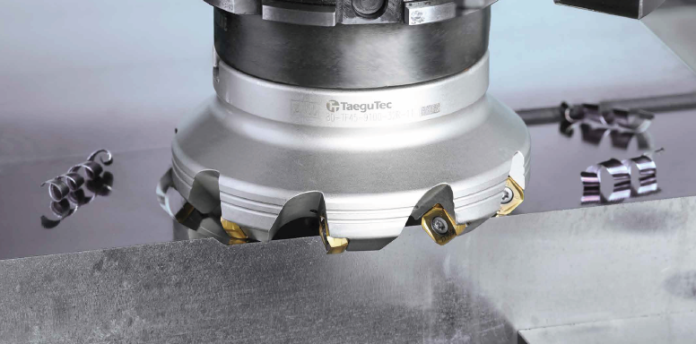
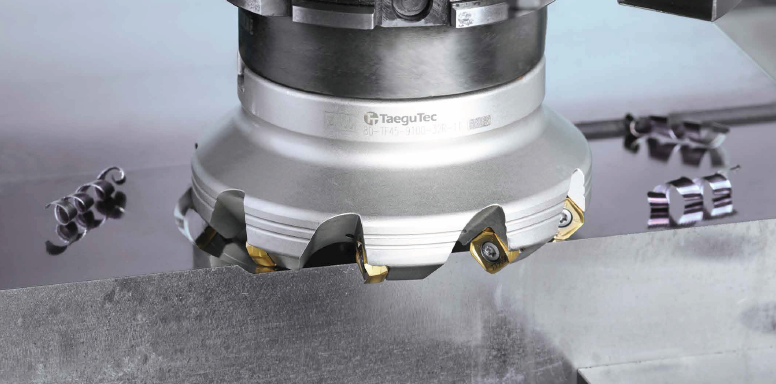
TaeguTec’s newly released WIN-SFEED CHASE-8-SFEED provides higher productivity than conventional double-sided 8-corner inserts due to its reinforced edge shape and unique insert pocket angle.

The high negative radial rake angle and high positive axial rake angle provide outstanding machining performance for roughing (45°) and high feed (20°) face milling under difficult cutting conditions. Coupled with the stronger body rigidity, excellent chip evacuation is achieved.

The CHASE-8-SFEED is a cost-effective solution due to the double-sided, multi-edge design and entry angle, as well as being a high-productivity solution that offers a low cost per edge.

For dependable and predictable machining, powerful, light-cutting geometries are combined with a big, sturdy insert seated in a stable area of the cutter. The special insert position facilitates quick and simple insert replacements, and the clamping is simple and incredibly secure.

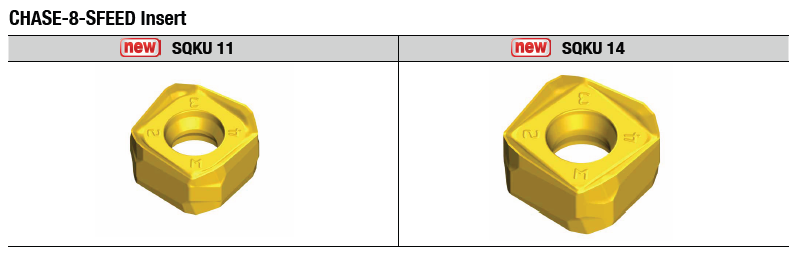
The CHASE-8-SFEED inserts are available in two sizes, SQKU 11 and 14, and the same insert can be used interchangeably with 45° roughing cutters and 20° high feed cutters.

The line also offers superb surface roughness, and its reinforced edge is optimized for high feed machining. Compared to conventional cutters on the market, its improved body rigidity and chip evacuation make it perfectly suited for confined spaces, while its larger number of teeth increases productivity.

In a real-world environment, the CHASE-8-SFEED increased productivity by 33 percent, while increasing tool life by 43 percent during the machining of a workpiece made from SCM 440.

In another real-world comparison, TaeguTec’s CHASE-8-SFEED out-produced a competitor by 50 percent on the machining of a FCD 500 workpiece.

For more information please contact TaeguTec – Tel: 011 362-1500.

Visit TaeguTec

SOLID ALLY

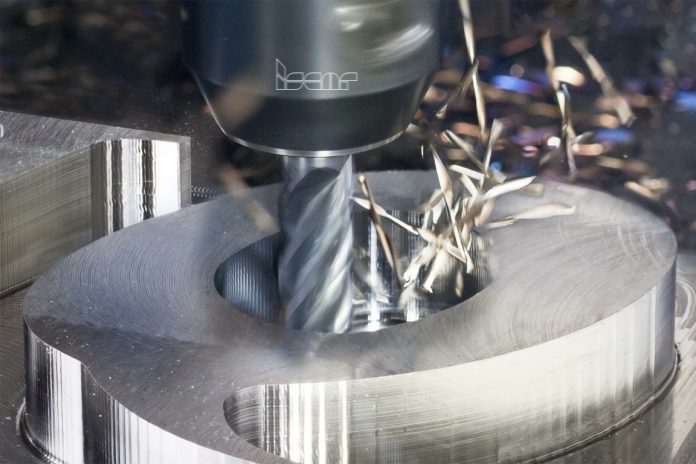
Since the late 1990s, solid carbide endmills (SCEM) have become one of the focal points in the metalworking industry. Several factors contribute to this prominence. Firstly, compared to indexable milling cutters, solid carbide endmills offer distinct advantages, such as greater precision, suitability for small-diameter mill designs and better options for engineering balanced tool structures. Additionally, SCEM outperforms their counterparts made from high-speed steel (HSS), as the harder carbide material provides higher wear resistance and maintains a sharp cutting edge longer, resulting in extended tool life.

Understandably, the known advantages alone were not sufficient to explain the rapid growth of the share of solid carbide endmills in milling products that began in the 1990s. There were additional elements that contributed to the increased use of SCEM in the industry. The advancements in CNC machining technology and the growing interest in high-speed milling (HSM) methods highlighted the need for tools that are suitable for high cutting speeds, and solid carbide endmills perfectly meet these demands. The quantum leap in tool grinding CNC machines and CAD/CAM systems played a crucial role in the major progress and growing popularity of SCEM during that period. This considerable leap forward was a key factor, a real game-changer, which gave rise to a significant breakthrough:

  • The enhanced capabilities of tool grinding CNC machines enabled substantially increased accuracy and the production of solid tools with high-precision geometries.
  • CAD/CAM systems enabled the design and manufacturing of endmills with complex geometries that were previously difficult to achieve. Tool grinding simulator software allowed for a virtual analysis of the grinding process, considerably contributing to the precise production of SCEM.
  • The integration of CAD/CAM systems with tool grinding CNC machines provided a powerful tool for endmill customization in accordance with the specific requirements of the customer.
  • The efficient tool grinding CNC technology diminished production times and reduced fabrication costs, making high-quality solid carbide endmills much more attractive and commercially viable for both the tool manufacturer and the customer.
  • Advanced tool grinding CNC machines and CAD/CAM systems also contributed to improved quality control, ensuring consistent tool parameters.

In addition, advancements in materials science and powder metallurgy led to the development of advanced carbide substrates with smaller grain sizes, providing higher hardness and wear resistance. Combined with new progressive coatings, such as TiAlN, these substrates formed carbide grades featuring prolonged tool life, making them almost ideal for SCEM intended for machining at high cutting speeds and milling hard materials.

Hence, solid carbide endmills have become essential tools for performing effective machining operations, and now SCEM hold a significant portion of the milling cutter market. According to various estimates, solid carbide endmills account for approximately 50% of this market. Moreover, the SCEM share does tend to grow.

The successive expansion of CNC machining, the rise of HSM processes, and the decreasing machining stock due to precise workpiece fabrication using accurate die-casting, forging, and injection moulding, on the one hand, and the further advances in carbide materials and coating technologies, on the other hand, determine the trends in SCEM development and present appropriate challenges to the tool manufacturer. These trends include:

  • In carbide grades, the increased usage of submicron carbides and wear-resistant coatings like TiAlN, AlTiN, diamond coating and others is prevalent.
  • In tool shapes and cutting geometries, more complicated and “intelligent” designs are becoming common. Unequal angular pitch, variable helix, and chip-splitting cutting edges are frequently utilized.
  • In high-efficiency machining, there is a distinct emphasis on SCEM optimized for high-speed milling (HSM) and high-feed milling (HFM).
  • In tool accuracy, the metalworking industry demands increasingly precise and balanced tools to maintain strict machining tolerances and enable stable operation at high rotational velocities, especially in finish cuts.
  • Customized solutions – to meet specific application requirements, tool manufacturers are developing specially tailored products comprising unique carbide grades and cutting geometries.
  • Multifunctionality – there is a growing demand for multifunctional SCEM that combine various cutting functions such as milling, drilling, chamfering and more.
  • Digitizing – the impact of Industry 4.0 on metalworking highlights the importance of digital tool companions, which include available digital twins, 3D models and 2D drawings, easy access to specified cutting data, engineering calculations, tool life estimation etc.

When examining two solid carbide endmills of similar dimensions, it is difficult to identify visible differences. Even using a magnifying glass or microscope may not always help in this search. However, these cutters can exhibit significantly different performance indicators, making the differences quite evident. Let’s consider the latest developments from ISCAR and understand how ISCAR addresses these challenges.

Even a quick glance at ISCAR’s solid carbide endmill product range reveals an interesting trend in SCEM products from an application perspective. In the past, the emphasis was on an all-purpose design concept that allowed endmills to be used across a broad spectrum of engineering materials. However, many of the new developments are now focused on providing the most effective for milling specific material groups.

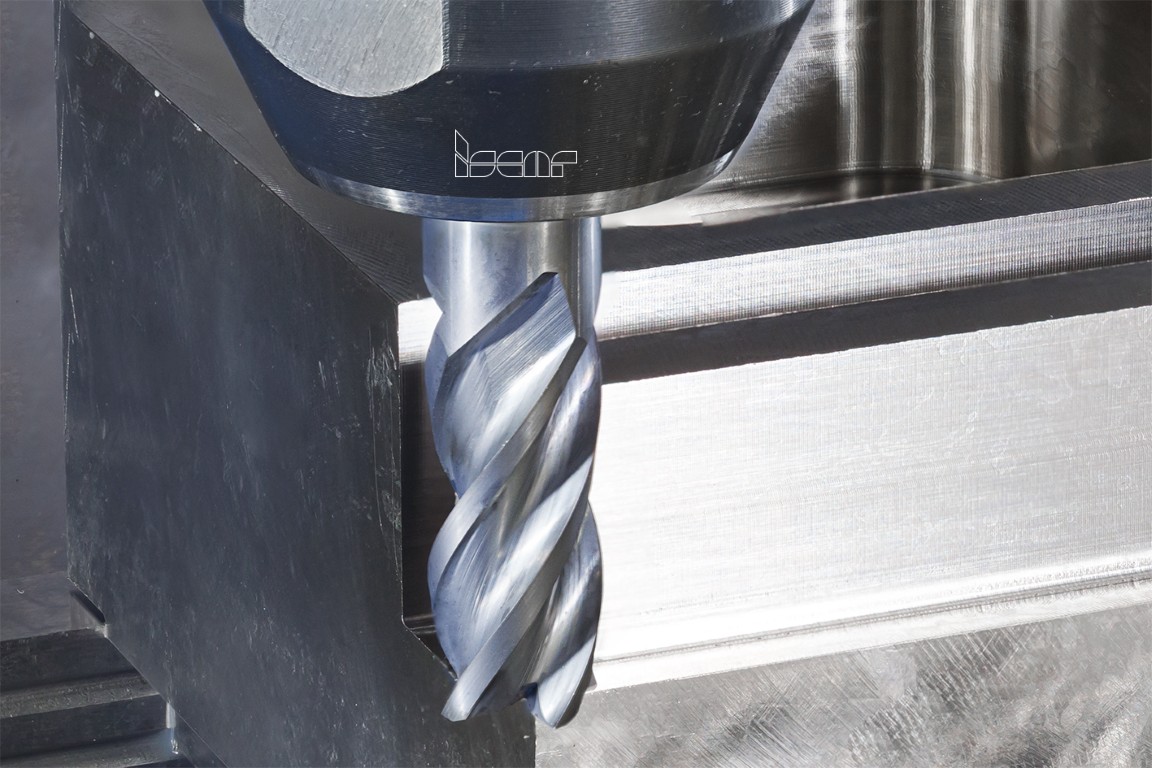
For instance, the Ti-TURBO endmill family has been purposefully designed for machining titanium alloys. This family includes SCEM with precision-engineered cutting geometries, featuring a four-flute design for various operations, such as milling slots up to two-tool-diameter depth in solid material. Additionally, it offers seven- and eight-flute designs for high-speed milling using the trochoidal technique. The Ti-TURBO tool concept is based on different flute helix angles and variable pitch to enhance dynamic rigidity and improve chatter dampening when milling titanium alloys, including difficult-to-cut grades like “triple 5” (Ti-5-5-5-3), at high metal removal rates (MRR). The popular family has significantly expanded with new products during ISCAR’s latest LOGIQUICK campaign.

Chatter-free designs based on the concepts of variable helix, unequal tooth pitch and their combination characterize various ISCAR solid carbide endmills. These designs ensure high machining stability and allow for producing tools with enlarged cutting lengths. In recent years, the portfolio of chatter-free SCEM has been expanded with new products offering a great choice of corner radii, increased cutting lengths, a central coolant hole for easy chip evacuation and chip-splitting geometries to divide wide chips into small segments.

Another example is the EC-A2-T – a series of miniature, highly accurate two-flute endmills in the diameter range of 0.3 to 4mm, designed for high-speed machining of primarily pre-hardened and hardened steel. These tools have recently been upgraded with IC602, a high-hardness submicron carbide grade with an AlTiSiN PVD coating, enhancing performance when milling steel with hardness up to HRC 65 (ISO H group of applications).

For cutting aluminium and non-ferrous materials (ISO N group of applications), ISCAR offers newly introduced three-flute SCEM made from IC1508 – a submicron carbide grade with a diamond-like carbon (DLC) coating.

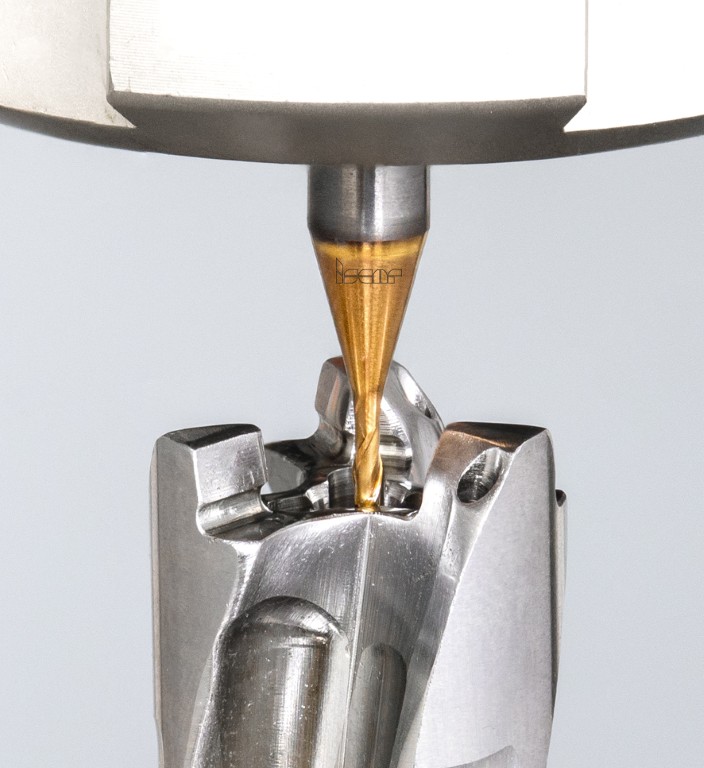
The multifunctional ECD-S2 solid carbide tools combine spot drilling and chamfer milling capabilities. In addition to the existing tools with a cutting tool angle of 45°, ISCAR has introduced tools with cutting edge angles of 30° and 60° to meet customer demands. These versatile tools find their use in almost every machine shop.

New products also feature the SOLID-FEED-MILL family of multi-flute SCEM for high-feed milling. Their design minimizes the radial component of cutting force to decrease the bending load and enable machining at high feed rates, even when machining with long overhang.

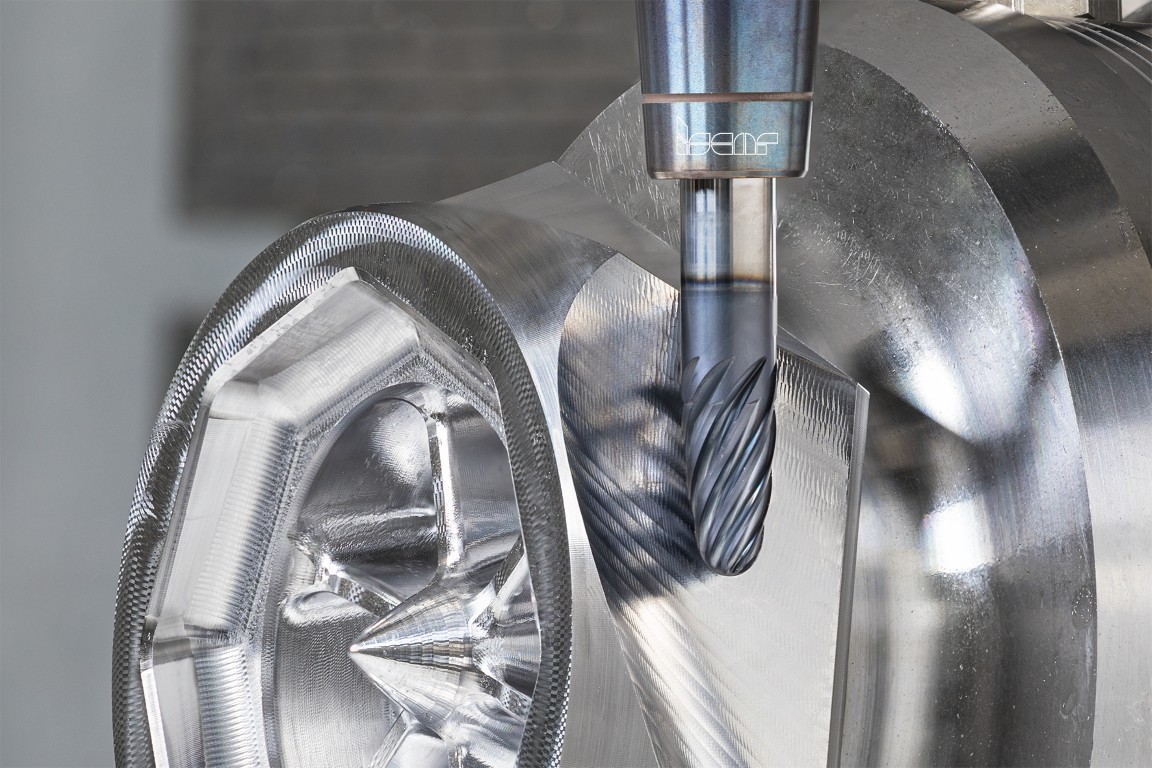
The recently unveiled NEOBARREL oval-shaped solid carbide endmills are intended for 5-axis machining of complex 3D surfaces. These tools ensure precise and productive cutting of complicated profiles.

In recent years, ISCAR has substantially expanded its digital tool component, which is based on the ISO 13399 standard. This component includes various options, such as 3D and 2D tool representations for computer modelling, CNC programming and process planning. It also generates a STEP (.p21) file for data exchange and offers enhanced functions for virtual assembly and tool search. Additionally, it provides the capability to select the optimal tool solution for specific applications among other features. As expected, all these options also apply to solid carbide endmills.

In the ISCAR electronic catalogue (e-catalogue), the tool search functions, including the SCEM selection, have been considerably extended. The new customer-oriented search options allow for finding a more suitable solid carbide endmill according to the type of machined material, adaptation, dimensions, cutting material grade, characteristic features, such as the number of flutes and other key parameters that make endmill selection easier and more effective.

The examples shown of new ISCAR products in the field of solid carbide endmills are good illustrations of the company’s response to the latest development trends in terms of performance, application range, accuracy and reliability. By staying up to date with these trends, ISCAR’s solid team continues to develop innovative solutions that meet the evolving needs of the metalworking industry.

For more information, please contact ISCAR South Africa (PTY) LTD – Tel: 011 997-2700.

Visit ISCAR

EMBRACING CIRCULAR ECONOMY PRACTICES FOR SUSTAINABLE MANUFACTURING IN SOUTH AFRICA

By Paul Savides, Managing Director, PBS Machine Tools

Sir Isaac Newton’s phrase, “Standing on the shoulders of giants” highlights the collaborative nature of scientific and intellectual progress, where new insights are often derived from the accumulated knowledge of previous generations. 

The Hawthorne Effect circa 1930 refers to the phenomenon, where individuals modify their behaviour or performance, simply because they are aware of being observed, and today we use camera’s i.e. AI.

Our machines are ergonomically designed, and robots are integrated to support operators, based on a study from 1953 that set guidelines for the recommended safe maximum weight for lifting at work.

In 2011, the German Research Alliance determined that the project Industry 4.0 be initiated with the aim of providing Cyber-Physical systems by 2020 and today, to be a Center for Manufacturing implies, embracing the 4th Industrial Revolution, powered by the internet because, the Internet of Things (IoT) establishes the bridge between both Virtual and Tangible Worlds.

Today’s Smart Factories are heterarchical, where the systems of the organization are unranked or can be restructured in different ways thus, becoming a flexible, dynamic factory.

The digital connectivity between all machines, tools, workpieces and factory workers already exists, thanks to the IIOT and Cyber-Physical Systems.

The introduction of the following six new Megatrends are:

  • Industrial AI – The application of artificial intelligence to industrial settings, like manufacturing, energy and logistics to improve efficiency, productivity and decision-making.
  • Edge Computing A distributed computing paradigm, where data processing occurs closer to its source, typically at the “edge” of a network, such as a device or a local server.
  • 5G
  • Team Robotics – Those who collaborate on designing processes, programming and operating robots in the manufacturing environment.
  • Autonomous Intralogistics AGV Systems – The planning, implementation and optimization of all internal material flows, information flows and goods handling within a company.
  • Reliable Data Infrastructure

We have already reached the goal of having a Digital Twin image that, in real-time, automatically updates each Physical Object in the Process, interprets then, uses the data to alter Production by Condition Monitoring of Deviation through Adaptive Control Settings. While this is Digital Transformation (DX), now it’s time to embrace Sustainable Manufacturing.

Driving South Africa’s Manufacturing toward a Circular Economy, what are the challenges, opportunities and strategies we face?

As the global manufacturing sector accelerates toward net-zero and sustainable development, South African manufacturers face a series of critical questions, such as how can we implement circular economy practices in a resource-constrained environment, while balancing economic performance and environmental responsibility? Let’s explore the challenges, opportunities and actionable strategies that can help unlock South Africa’s potential on the path to a circular economy.

Challenges and Opportunities Unlocking the Potential of the Used Equipment Market

For South Africa’s manufacturing sector, the transition to a circular economy presents several formidable challenges, including insufficient infrastructure, limited supply chain transparency and a lack of clear policy incentives. In addition, many traditional equipment manufacturers remain unfamiliar with the concepts of recycling and remanufacturing, slowing the adoption of circular practices. Particularly problematic is the disorganized used equipment market, which currently lacks standardization and certification frameworks, making businesses hesitant to participate.

Yet, this challenge also represents a significant opportunity. By restructuring the used equipment market and establishing standards and certification systems, manufacturers can promote equipment reuse, extend product life cycles and reduce waste generation. These are all essential pillars for embedding circular economy principles in South Africa’s manufacturing landscape.

Digital Transformation – The Core Driver of Sustainable Manufacturing

Digital transformation technologies are undoubtedly at the heart of advancing the circular economy and sustainable manufacturing. By integrating the Industrial Internet of Things (IIoT) and Artificial Intelligence (AI), manufacturers can comprehensively monitor energy consumption, implement predictive maintenance, optimize dynamic scheduling and even simulate production lines through Cyber-Physical systems (CPS) and digital twins to further enhance efficiency.

For example, in my specific industry, my supplier from Taiwan, Tongtai, has TLM, TIMS and Tioperator systems, which enable carbon footprint monitoring and the visualization of emissions data, thereby helping companies quickly identify carbon hotspots in their production processes. These digital tools not only enable real-time operational optimization but also empower companies to craft more precise carbon reduction strategies, significantly boosting sustainability outcomes.

Design-Driven Innovation – Crafting Products for Circularity

To successfully implement a circular economy, innovation at the design stage is just as critical. Manufacturers must first leverage carbon monitoring and production tracking systems to analyse resource inefficiencies and emission bottlenecks throughout design and production.

Based on these insights, they can adopt strategies, such as lightweight design by reducing material usage in casting processes to lower raw material consumption and energy use and component optimization by  improving part configurations, transmission systems and cooling mechanisms to cut electricity use and reduce carbon emissions.

Strategies should also include AI applications to predict machining paths, optimize cutting parameters and even deploy vision-based technologies for automated chip removal, such as Tongtai’s AI FlexJet system and modular design, to ensure products are easy to dismantle and recycle at the end of their life cycle, supporting closed-loop production.

An Example from Design to Usage

Utilizing the functions and attributes of the 4th / 5th Industrial Revolution, my supplier was able to demonstrate, how a machine alarm is triggered before there is a potential crash.

Having professional design capability that integrates advanced mechanical and electrical designs through the Industrial Internet of Things (IIOT), allows customized solutions to enhance customer productivity needs and maximize machining efficiency.

Thanks to Tongai’s self-developed 3D Collision Prevention System, you can simply import 3D CAD files and CAM-generated programs to verify the machining path and ensure real-time 3D collision prevention. Additionally, the Machine Protection System keeps axis bearings and peripheral devices in check, preventing unexpected downtime.

A game-changer for our industry is Chip Jamming Anomaly Detection, which ensures tool balance stays optimal, so you won’t risk ruining expensive workpieces, due to chip build-up or faulty tools. This is smart, reliable and stress-free technology.

Even though the economic system in the world is in turmoil, making it more difficult to plan for growth and profitability, the manufacturing sector can make a difference by implementing advanced manufacturing technology.

The inputs required to make us world competitive are all inexpensive and easily obtainable to anyone who makes the effort to use and apply them.

For more information please contact PBS Machine Tools – Tel: 011 914-3360.

Visit PBS Machine Tools