CNC TECHNOLOGY REQUIRES DIGITIZED TOOLS
Rows of CNC machine tools sharing their workspace with industrial robots that transport machined parts, accompanied by a minimal number of machine operators, are already a common scenario that depicts modern metalworking plants and shops. CNC machines are the catalyst which created progressive computer data engineering to enable this new reality. Advanced multi-axis machines facilitate the production of very complicated shapes with minimal setups. Advanced milling and turning capabilities, coupled in multitasking machines, open new opportunities for effective process planning. Innovative CNC metal cutting systems are on the verge of a one-set full part production – the ultimate dream of every manufacturer. A quantum leap in CNC technology enables the practical understanding of machining methods that have been theoretical for a long time, such as power skiving. The progress in the world of computerized numerical control is impressive. It has impacted related spheres such as work and tool holding, and the diverse world of cutting tools.
So, what are the expectations of the machine tool producers from the cutting tool producers? What are the requirements that modern cutting tools must meet? How should tool manufacturers be driven when planning their production program for the near future? The answer is simple…The next generation of tools must be better, which means cut faster, provide higher tool life, ensure better surface finish and more. These are obvious and undoubted demands which every tool manufacturer needs to contend with to assure its future. However, the progress in CNC technology has highlighted one more feature in tool design being the digital component. This virtual element has turned into an integral part of a tomorrow’s cutting tool.

The contemporary evolution of smart manufacturing is based on network technologies. In a smart factory, CNC machines perform under the conditions of real-time and combine mutual information exchange from an environmental context that blends both real and virtual worlds. The systems interact with the context via the Internet of Things referred to as IOT. For example, the real world shows the position of a cutting tool and acting cutting forces, while the virtual world specifies 3D tool paths during an operation combined with predetermined machine stock allowance. Subsequently, the real and virtual worlds find themselves in a cutting tool where they naturally complement each other.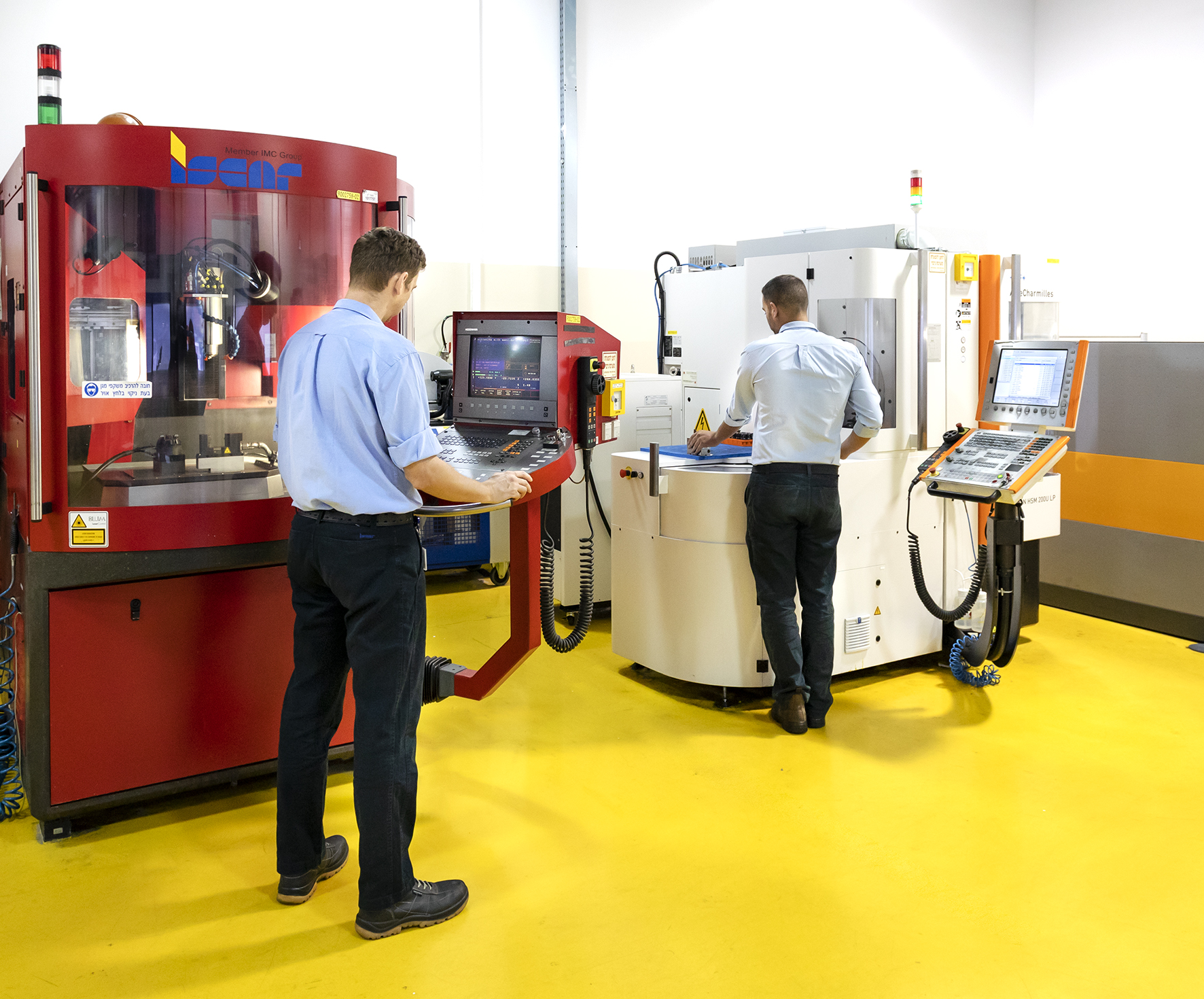
A digital tool component possesses vast information or data. Its elements are comprised of 3D and 2D models, estimated tool life, accumulated cutting time, possible limitations such as maximum rotational speed, optimal machining data and additional essential information. Tomorrow the gate of a smart factory will be closed for tools without such components, consequently cutting tool manufacturers have started to prepare and adapt for changes. The virtual element is now focusing on the development of new tools and tooling solutions.
For centuries, technical drawings were considered a common language for defining tool features. Computer aided engineering (CAE) and CNC systems require another means for data exchange. Cooperative efforts of world specialists from various engineering and scientific fields have resulted in the creation of the ISO 13399 standard, which specifies computer representations of information related to cutting tools, their holder which makes the lexicon base of the language. Adherence to this standard means that the tool digital component’s platform remains independent, and computerized systems can utilize the data seamlessly. This new standard is only the first sign. The smart factory will require additional smarter manufacturing systems and smarter tools for these systems. Information about tool properties, such as the remainder of its tool life period, specific tool identification, service limitations, necessitates uniform rules for specifying the information and its computer representation – like the ISO 13399 standard, yet much more comprehensive. These will require the intensive cooperation of companies and governmental institutions.
Today, a cutting tool customer expects to receive not only a tool as the physical product, but also quick access to accompanying information such as virtual assembly options for collision checks, finding the optimal tool configuration, 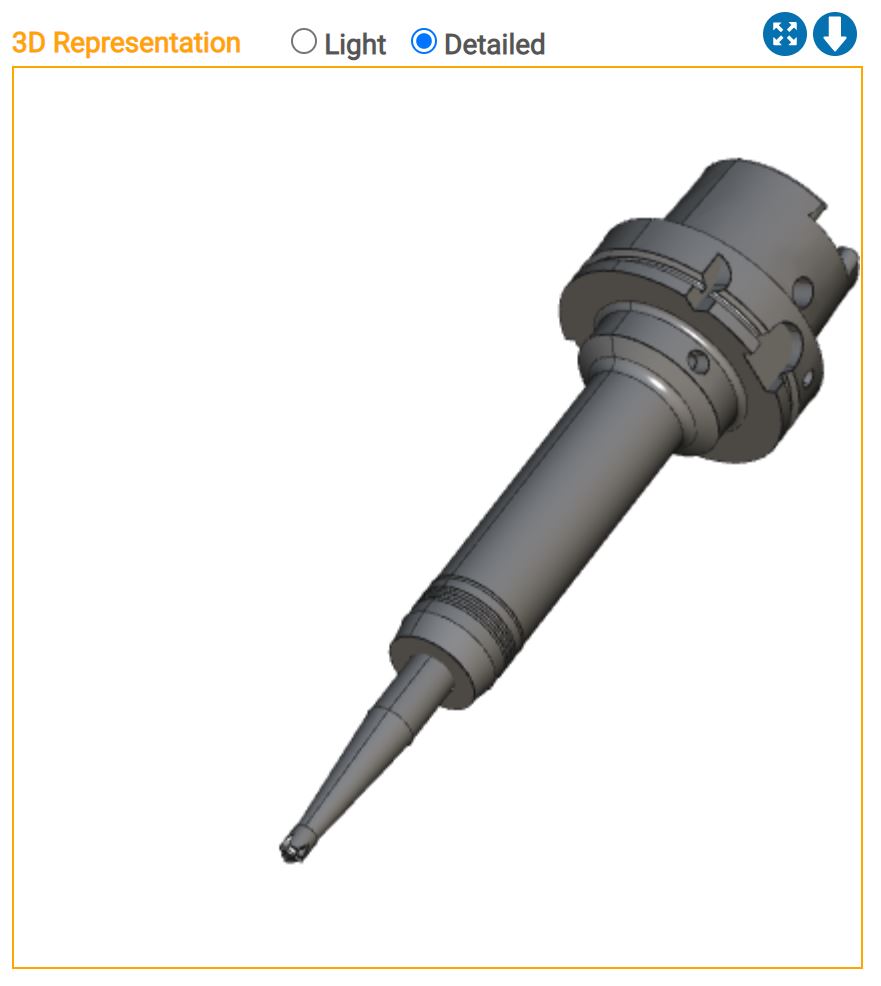 clear machining data, and learning how changing cutting parameters will reflect on tool life. This has already formed the virtual tool component, and its significance will only grow.
ISCAR is aware of the key importance of tool digital elements. The new company’s developments relate to both cutting tools and the tool informational essentials, including tool assembly options in 3D and 2D formats in ISCAR’s electronic catalogue, NEO-ITA, the ISCAR digital tool adviser, on-line engineering calculations and MATRIX, the automated tool dispenser that is an integral part on the shop-floors of a smart factory. These are just a few examples of the tool virtual environment.
From technologists working on process planning, engineers designing tool assemblies or preparing the tooling part of a complex key project, CNC programmers checking a tool path in a CAD/CAM environment, to application specialists optimizing machining operations, and even sales managers assisting in selecting a more effective tool – all might spend hours adopting the tool manufacturers’ tool data to integrate with the customer’s software. ISCAR’s electronic catalogue provides a digital twin representation of the tool assembly based on the ISO 13399 standard. This guarantees the successful communication between current and future software support in a digitized smart factory. The virtual assembly ensures fast, reliable simulation of the operation as well as collision (interference) by checking and tool path optimization and the design of workholding fixtures. As the selected machining method affects the forces acting on workpieces, and a tool configuration influences the shape of workholding elements, simulating the operation by use of the tool assembly model may be also considered an effective instrument for jig and fixture design. In addition to milling, drilling, and threading virtual tool assembly options, ISCAR has recently introduced the turning tool assembly function which expands the range of its electronic catalogue’s digital services.
The ISCAR tool adviser which assists users in selecting the right tool is now reborn under the brand name NEO-ITA which features advanced analytics based on artificial intelligence and a big-data platform. The upgraded adviser version utilizes new capabilities such as new machine brands, material libraries, integrated machining calculations, and the ability to export p21-files as an integral part of tool recommendations.

One more useful digital assistant is the 4 PRO – an online product information -and machining recommendation tool which enables tool and insert information at your fingertips. 4PRO scans the 2D data matrix barcode on an ISCAR tool or insert packaging label while assuring access to the necessary data on a CNC shop floor. Diverse 4PRO options provide product geometrical information presented in accordance with the ISO 13399 standard, and tie together inserts and tools to match up with recommended cutting speeds and feeds. 4PRO also bonds the insert geometry and its coating to the correct type of metal, allowing better choices at the planning stages of a given process.
Intelligent CNC machines, network technologies, information real-time exchange and virtual twins of physical objects are the necessary bricks for building manufacturing in the era of INDUSTRY 4.0. Digitizing cutting tools will ensure that tools will be used in smart factory environments.
For more information, please contact ISCAR South Africa (PTY) LTD – Tel: 011 997-2700.
ISCAR MILL-4-FEED FFQ4 12 MILLING FAMILY
ISCAR recently expanded the tool and insert options of the immensely popular FFQ4-12 milling family to include new tools and insert geometries.
The FFQ4-12 tools carry square single-sided inserts with four cutting edges, designed for reducing cutting forces when used on low power machines or long overhang applications.

The FFQ4 D…-12 shell mill cutters feature a coarse-pitch option for 40 and 50 mm cutters and for 52 and 66 mm cutters, which extends the range of application options for roughing operations in the die & mould and aerospace industries and in general engineering.
The FFQ4 inserts are produced from ISCAR’s latest SUMOTEC carbide grades, ensuring high productivity.
Insert types include:
- FFQ4 SOMT 125 single-sided square insert with four cutting edges, featuring five cutting geometries for optimal machining of different materials
- FFQ4 SOMT 12516T for steel, ferritic and martensitic stainless steel, cast iron and hardened steel; FFQ4 SOMT 12516HP for austenitic stainless steel and high temperature alloys
- FFQ4 SOMT 120516T20 for grey and nodular cast iron; FFQ4 SOMT 1205RM-T for interrupted cut and for machining near straight wall shoulders of steel, ferritic and martensitic stainless steel, cast iron and hardened steel
- FFQ4 SOMT 1205RM-HP for interrupted cut and for machining near straight wall shoulders of austenitic stainless steel and high temperature alloys
The FFQ4 D…-12 tool features a 9˚ cutting edge angle, positive axial rake angle, ramping down capability, a 3.1 mm radius for programming, with fine pitch and coarse pitch cutter versions. Internal coolant holes are directed to each cutting edge and the cutter body has a special protective polished coating for uninterrupted chip flow and protection from corrosion and wear.
For more information, please contact ISCAR South Africa (PTY) LTD – Tel: 011 997-2700.
Visit ISCAR